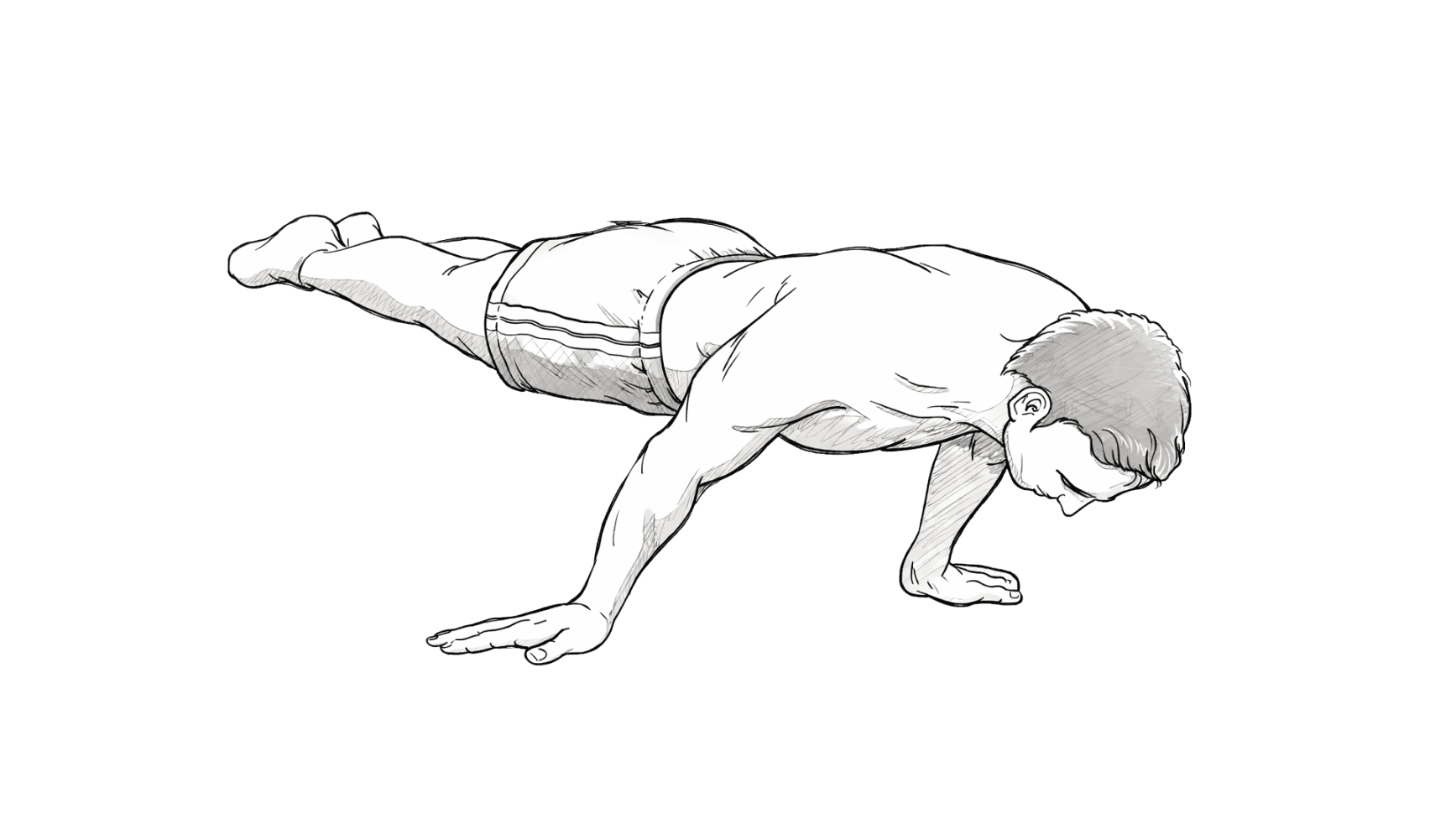
If you feel like you're spinning your wheels with planche training and are frustrated with stagnation, this article is a must read.
The Backstory
The first time I saw someone perform planche was probably back in 2008. I didn't even know what calisthenics was at this point. One summer afternoon I was sitting in the living room with my grandfather of blessed memory, watching the Beijing Olympics. And it just so happened that it was artistic gymnastics that day.
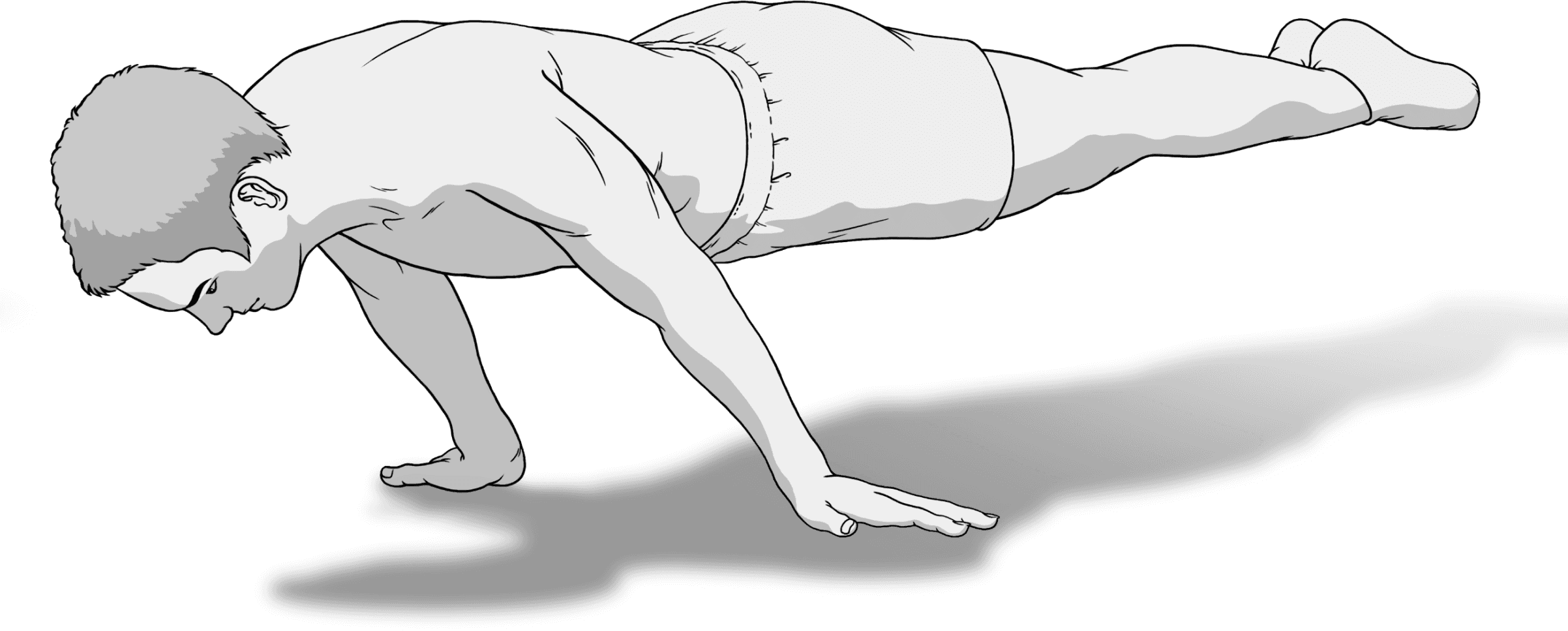
I remember very well when, during the men's floor exercise, I suddenly saw an Asian man in a pose that resembled a push-up, with a "tiny" difference - his legs were in the air. Looking back, this man was likely Chen Yibing, and I was witnessing a Chinese champion performing at his best. At that point, I really thought to myself, that's impossible. It was a completely new level of human ability, and I could not comprehend how it was physically possible. At that time, I was not thinking about torques, center of gravity or identifying the muscles responsible for this feat. I just enjoyed the idea that it was possible.
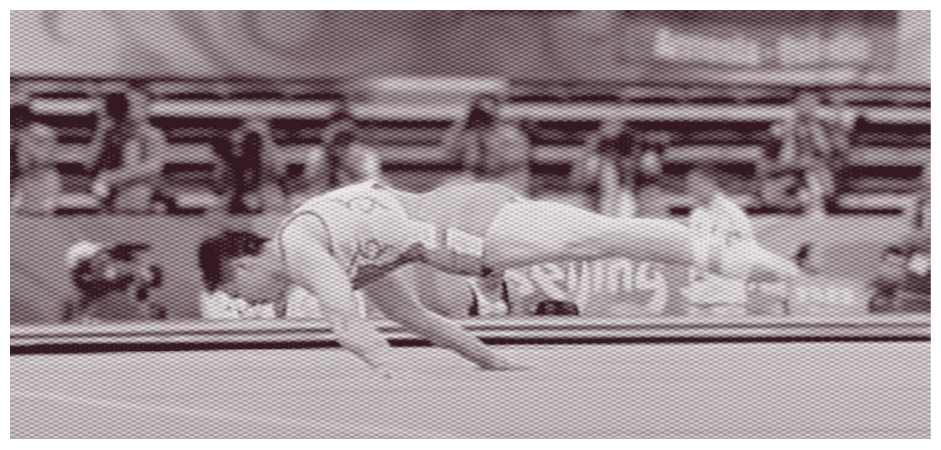
As the years have progressed, the discipline of calisthenics has been getting traction and popularity, and as it does we are exposed to more and more insane feats of strength online. While planche has certainly lost some of its extreme aura compared to what we see today, it has not become any easier for our bodies.
The second thing that happened over the years is... I grew older, and I started gaining a large interest in calisthenics, which motivated me to start a physiotherapy masters degree program and to finally pursue it as a career endeavor. From my own pursuit of this element, as well as from many clients I had over the years, along with the academic understanding of biomechanics and exercise physiology, I gained quite an understanding of this skill.
So here is the hard truth: Most planche pursuits fail, and most calisthenics athletes hit the wall at certain points in their journey, DESPITE maintaining consistency and working hard. And this point typically occurs during the transition between Tuck Planche and Advanced Tuck Planche (following the typical progressions).
The thing to get out of the way is that planche is hard. It is a difficult gymnastic skill that not many people are able to perform. So, by definition, it will be a relatively difficult task, and we should not be frustrated if it takes a long time. For Chen Yibing to get to this level, he must have trained from a very young age, and it certainly took him nearly a decade of dedicated training. Whatever your goals, think of the path to the planche as an iterative process that you must constantly seek to improve, while staying patient and consistent at the same time.
Don't Copy The Outliers
Now, let me ask you a set of questions. Do NBA players work incredibly hard to get where they are? Did Michael Phelps put immense work into becoming the greatest swimmer in history? Did Usain Bolt train extremely hard to run 100m in 9.58s and set the record that no one has ever beaten? Yes, they undeniably did.
But does that mean that anyone could achieve what they did if they worked just as hard? I am confident that the answer is no. And while this is not the place to talk about the influence of genetics on athletic performance or defining what hard work means, it is worth noting that we are very different.
Just like Michael Phelps does have a set of features that makes his body almost perfect for swimming, there are sets of physiological and anthropometric features that make people naturally predisposed to calisthenics, and planche. The sooner we accept this, the better off we will be. The practical steps we can derive from this realisation are following:
1) Don't compare your progress to other people's on social media, unless it gives you a positive boost of inspiration & motivation.
The reason planche has become more popular is not because it has become easier. It is just that more people got exposed to calisthenics, and statistically more gifted outliers tried to achieve it. And then, through undeniable hard work, they got to a level impressive enough to show up on your Instagram feed. This is not a manifesto against comparison of any kind, but rather a reminder to use it wisely, and not let it put you under FOMO, overthinking, or feeling like you are not working hard enough. Maybe you do, but this is NOT the way to assess it.
2) Don't copy someone's training methods JUST because they're great in planche.
This one is very hard to grasp because it is very nuanced. Obviously, being able to planche gives you a certain advantage over people who can't when it comes to teaching it. And it also shows that you have spent some undeniable time practicing it, which is always a good trait for a coach or educator to display. However, sometimes athletes can achieve planche IN SPITE of their methods, not BECAUSE of them.
It is also much easier to create a sophisticated theory AFTER you have reached a certain level. Imagine I learn a piano or guitar piece that is universally considered difficult, and I get it by trial and error and just playing in a disorganized way. But then I create my method of teaching the instrument, which creates the illusion that when I teach it, this method is what originally got me there. The same thing happens with planche training.
And remember, all this is not to say that you shouldn't listen to people who excel at planche. It is just to emphasize the importance of considering other factors when consuming information and seeking advice online.
How to Apply This Article
Knowing the struggle, I have collected things that have helped me during my athletic journey of getting straddle planche, as well as many of my clients to break past that plateau. If you are an athlete struggling at any stage of your planche pursuit, and you are looking for some actionable steps to break your stagnation, you have come to the right place.
And don't worry, this article won't give you advice you've already heard 100 times, like you need to stay consistent, train straight arm strength, work hard, or incorporate some magic exercise that will completely change the game. In fact, there is no such exercise. And unless your planche program was completely unspecific, very under- or over-loaded, it is unlikely that any single method will result in such a big upside. We will talk about some of the ways I have experienced the benefits in both my athletic and coaching journey, that also have a scientific rationale behind them. Some of them may surprise you.
Before we get to the meat of the article, please don't treat this as a checklist of all the things you need to do. Each point addresses a different problem at a different organizational level. From planche technique to micro-organizing training to long-term strategy. After reading this article, try to identify one thing where you are severely lacking and treat it as a bottleneck in your progress. Double down on it for a few weeks and in some cases months. And only when you see no improvement, move on to the next.
In this article, you will also find many links that will take you to the parts of our fundamentals library. Whenever I mention some concept that is a little bit less straightforward, you can read about it more and educate yourself on the subject by clicking on the link.
The Basic Biomechanics of Planche
The foundation for all the points we will unpack lies in the biomechanics of planche. It alone does not provide all the solutions, because ultimately our bodies still need to adapt to the mechanical demands, and that adaptation is the subject of exercise physiology and training theory. However, understanding it is fundamental because it sets the direction for our training. We know what is holding us back from performing planche, and we know what the exact elements are that we need to focus on.
Something that can help you visualize things we talk about is our interactive 3D model of planche which you can open up and explore here:
In this article we will not go into the more advanced mechanical analysis of the planche exercise. For now, it is just important to understand a few basic points. We will go over them, but if you feel like some terms are difficult to grasp, certainly check out some of our articles in the fundamentals section. Specifically Anatomical Planes & Motions and Forces & Torques - Statics.
Planche static hold is all about balancing torques in different joints. The joints that develop the most counter-torques are:
- shoulder
- elbow
- wrist, hip / spine
We don't analyze the scapula's demands in terms of torques because the scapula is a floating structure that has no direct bony connection to the chest, so it moves in a curvilinear fashion rather than rotating. Practically speaking, for the sake of this analysis, we can ignore everything that is part of the shoulders, while acknowledging that other parts may also be limiting aspects.
Undeniably, in the planche, the shoulder will be a limiting factor, mechanically speaking. If we add muscle mechanics and physiology to the mix, then the elbow often becomes a limiting factor as well, because it is in a pretty vulnerable position (full extension) when it comes to torque production, muscle lengths, and stress on the joint. But, as I said, purely mechanically, we will typically fail to hold the planche because of what happens in the shoulder joints.
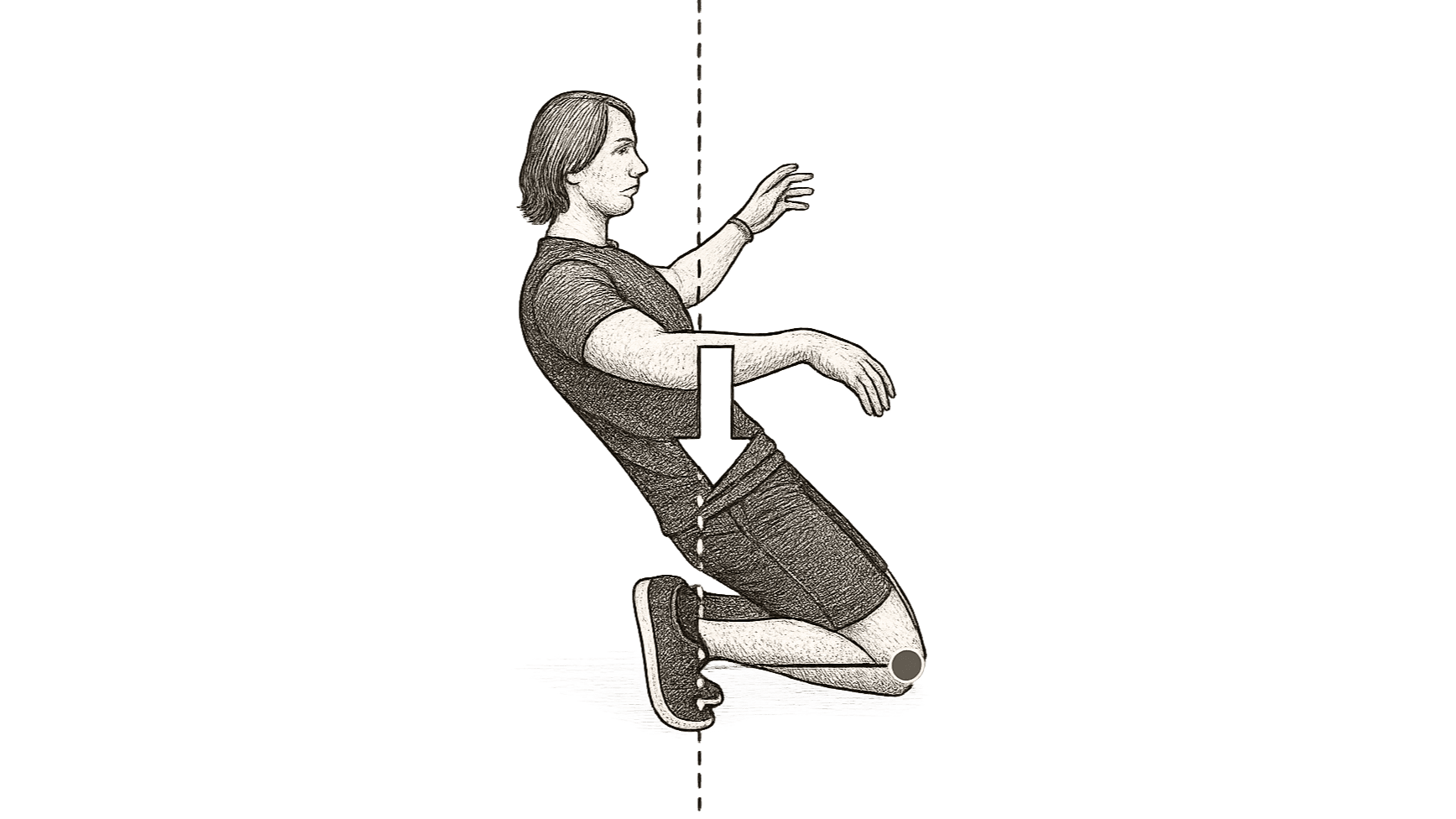
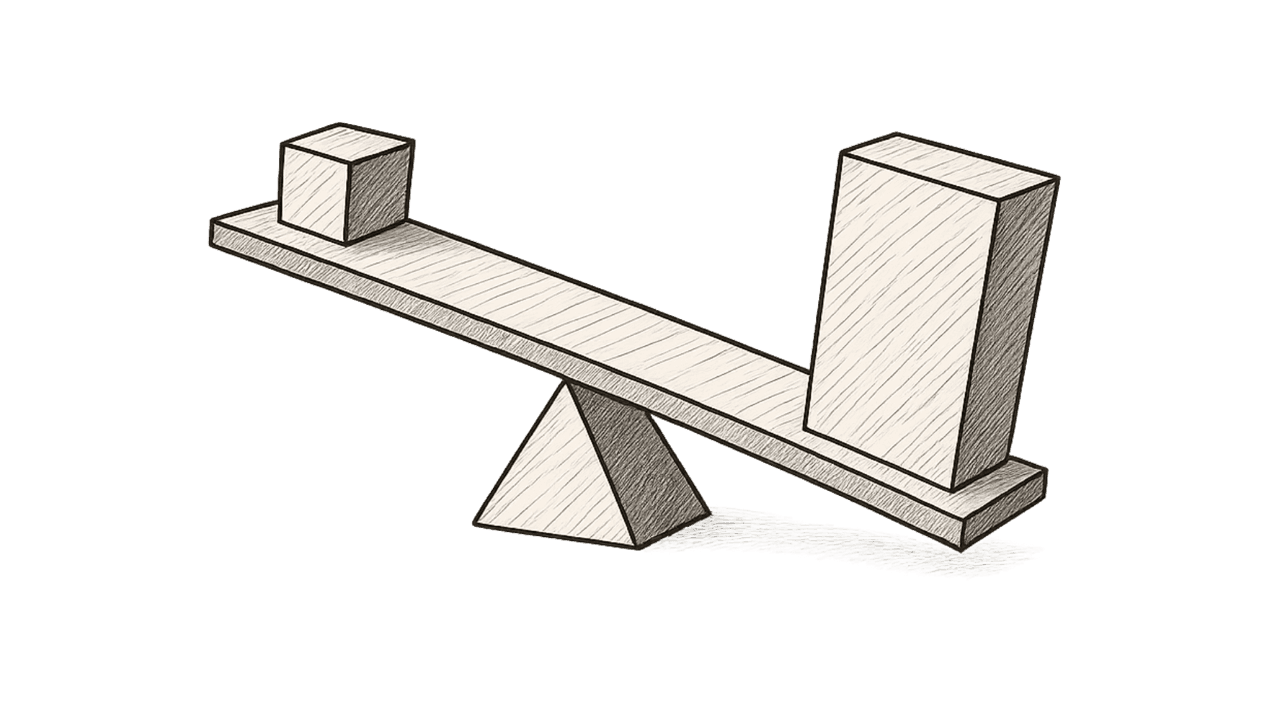
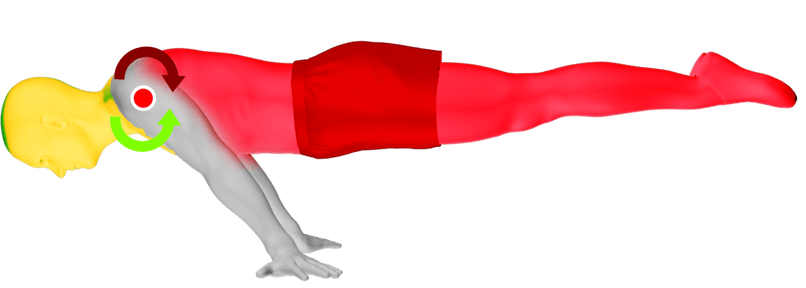
The way to look at planche in the context of the shoulder joints is basically to imagine that our entire body segment, detached from the arms, is trying to pivot around the shoulders by gravity acting vertically and pulling our center of gravity (anatomically, gravity is trying to extend our shoulders), which does so with a certain amount of torque, and our job is to not let the body pivot and to balance that torque with an equal amount of torque in the opposite direction (we are trying to flex our shoulders).
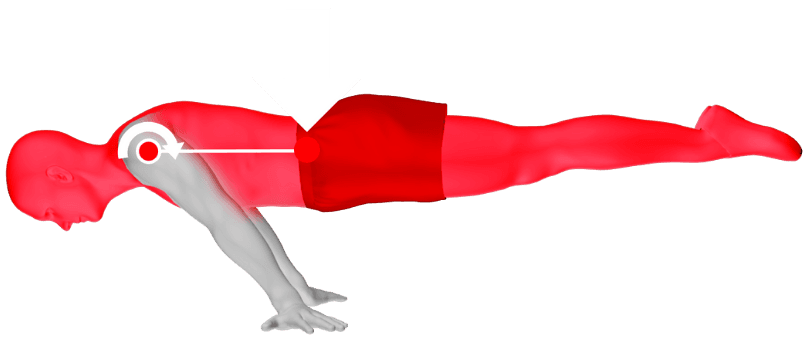
And then when that happens, the system is also balanced and the amount of tilt and angle in the shoulder is adjusted so that the center of gravity is above the palms (looking at our whole body). It is important to understand that all the difficulty of the planche happens in the shoulder joint, and the rest follows, and not in the contact of our body with the ground.
So, the length of the arms does not influence the torque, the placement of the hands on the ground (in terms of parallel, pronation, supination) does not do it, adding huge 20 KG ankle weights on the arms does not influence the torque, and even bending the arms at the elbows does not influence the torque. Yes, you read it right, bent arm planche displays the exact same mechanical (not strength) challenge on the shoulder joint as straight arm planche does.
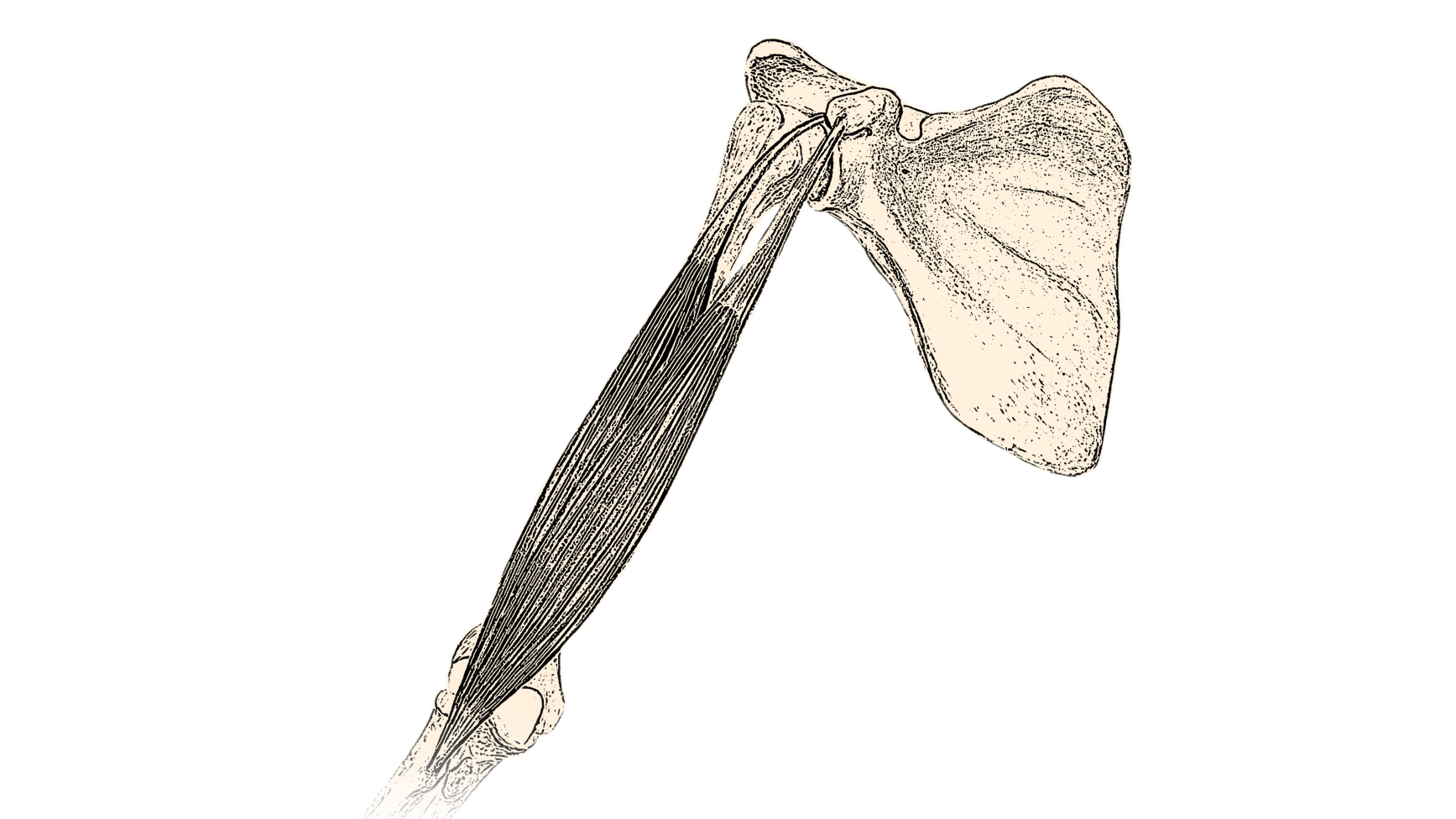
So the muscles responsible for shoulder flexion (anterior and some middle deltoids, clavicular part of pectoralis major, a little bit of biceps brachii and some smaller muscles like coracobrachialis and rotator cuff) must pull on the bones of our body from the humeral bone with such forces that together they produce as many newton meters (torque) as the gravity produces.
The more mass (and therefore weight) our body has, and the greater the distance of the center of gravity (the distribution of that mass) from the center of rotation of the shoulder joint (looking in the sagittal plane - from the side) and the more torque our shoulder flexors have to produce. So, if we can't planche yet, and we're in the 90% something group for whom the shoulder is a limiting factor holding them back,there are only 2 ways to learn to planche when we break it to the first principles:
- Reduce the torque that gravity produces by acting on our pivoting body segment
- Increase the torque producing capacity of the shoulder flexion (in the specific planche condition)
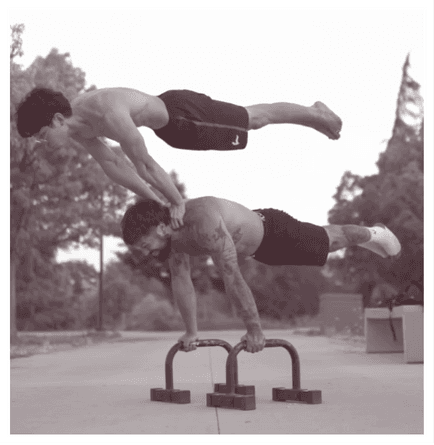
Oh, and in case you were wondering, you could also theoretically accomplish 1) by applying some additional downward force above your shoulder (basically pushing on your head during planche). You have probably seen “double planche” photos where one person does planche and the other is also performing it on his shoulders.
It may be surprising for you to hear but looking at shoulder joint torque, the person at the bottom has actually an easier task than the person on top of them. Of course, only in the context of the shoulder flexion torque, undeniably it takes immense shoulder stability and body control to hold one’s body weight AND additional person on top while maintaining good body line.
Now, your head is not going to get any bigger, even with all the brain gain from reading this article. In fact, one of my students asked me if growing hair would make his planche more manageable. While it would be a change in a good direction, it would be so small that the greater effect is likely to be the added strength that comes from your self-esteem if you like your new hairstyle. In order for this to have any effect, you would have to apply a great deal of force to your head.
The helmet from the EOD suit could probably make a real difference. However, there are two problems with it.
- I think it might be a bit impractical, and if you ever want to show someone your planche, you have to have the helmet with you at all times.
- On a more serious note, all of this only works if your neck is actually capable of sustaining such a flexion torque with relative ease, and if stretching it does not make your body less capable of focusing on actually producing the torque in your shoulder.
As a final verdict, I would not recommend this approach (if you needed to hear this).
Okay, so now on a completely serious note. This article will be based on the above two points. But, as you will notice, some of the points are very straightforward and rooted in biomechanics, and some of them move towards understanding physiology or long-term training theory. And in the end, all paths, if they work, will come back to one of these two basic points.
Before we get into the points, it is worth seeing the numbers for your own body. The calculator below builds a model of you from your height and bodyweight, and works out the torque your shoulders have to resist in each planche progression. Compare the step from tuck to advanced tuck against every other step in that list - the transition that stalls almost everyone is also the single largest jump in mechanical demand of the entire progression:
Leverage & Skill Difficulty
Your measurements
Leg length is the floor to the bony bump on the outside of your hip - the greater trochanter, roughly where your leg swings from - measured standing. Not your waist. Leave it blank to use standard proportions.
Advanced tuck planche
78%
of full Planche
245
N·m at the shoulder
35 cm
moment arm
78%
of full Planche
245
N·m at the shoulder
35 cm
moment arm
- shoulder
- where your weight acts
- moment arm
Progression
Fine-tune the position▼
The 72.0 kg of you beyond the shoulder behaves like a single weight hanging 35 cm out from the joint. Your shoulder flexors - anterior deltoid and clavicular pec - plus the scapular protractors and depressors have to produce that torque for every second of the hold.
Every progression, for your body
- Tuck62% · 194 N·m
- Advanced tuck78% · 245 N·m
- One leg out81% · 255 N·m
- Straddle85% · 267 N·m
- Half lay92% · 289 N·m
- Full100% · 315 N·m
What this does and does not tell you▼
This is the external torque gravity applies at the shoulder, built from your own dimensions and standard segment mass and centre-of-mass data (Winter, 2009). It is the load your shoulder has to resist - it is not a measure of how hard the position will feel. Internal muscular demand also depends on how your muscles' own moment arms change through the position, and it says nothing about wrist, elbow or connective tissue tolerance.
Because the external torque comes from posture alone, a planche, front lever and back lever held in the same shape put the same torque on the shoulder. What differs is which muscles resist it, and for the planche, the balance demand on top. Perceived difficulty does not scale linearly with these numbers: a position at 85% of full is not 85% as hard.
1. Improve Your Scapular Depression
The Theory & Context
We're gonna start with the technical aspect of planche, which has less to do with programming per se and more to do with execution. You see, unlike skills like muscle ups or handstand push-ups, we don't have a lot of technique manipulation options in the planche that would make a night and day difference. At the end of the day, we either have the strength to do it or not. Yes, doing planche on parallettes can help with control a little bit, and it can allow us to lean forward a little bit more. The same goes for doing planche with the palms facing forward.
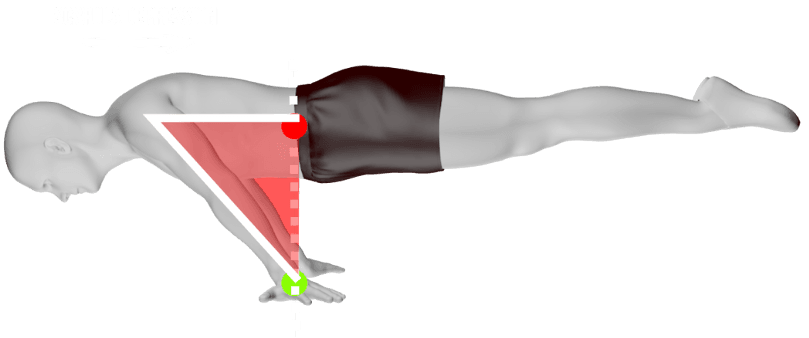
Now, as we already mentioned, just because we lean more or less forward in the planche due to changes in technique, doesn't change the torque demand on our shoulder. The angle doesn't determine the moment arm. The moment arm is strictly determined by the perpendicular distance from the center of rotation of the shoulder joints to the center of gravity of the body segment pivoting around the shoulders.
Yes, changing the angle itself can affect the difficulty of planche because of the other side of the coin - torque production. We have some data that shows that as the shoulder flexion angle decreases, the shoulder flexion torque production increases. This explains why back lever or dead planche are easier than planche. In these skills, the mechanical torque demand on the shoulder is very similar, if not identical. But we are just much better at overcoming that torque with our muscles in the lower angles of flexion or in hyperextension (as in back lever).
There is, however, a single technical modification that has a real mechanical potential to reduce the demands of the planche, and that is scapular depression. Unlike scapular protraction, which is resisted by the vertical component of our weight, scapular depression is unloaded because our body remains parallel to the floor and gravity works in the anterior direction (as opposed to the inferior direction as in weighted pull-ups - where scapular depression is actively resisted). Therefore, changing your position is not that difficult, yet it is vastly underestimated. Why is that?
Before I get into the technical explanation, let me visualize something that may be a little strange, but will really help you understand what I mean. Imagine that there is a person who performs Planche, but due to some genetic change, this person's shoulders are at the level of the navel. That person would have an incredible advantage in planche, they could essentially just place their arms on the ground and balance on them without any significant torque production.
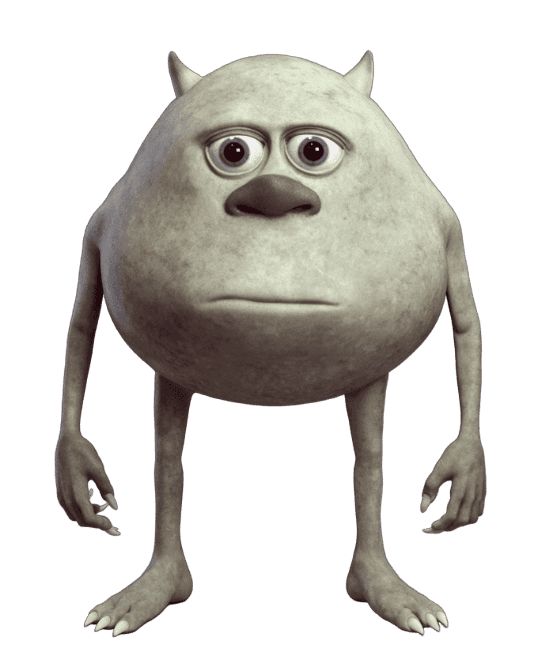
So, now that we know that Mike Wazowski has top tier genetics for planche (if he only had a bit bigger arms), we can give some technical explanation of it.
Since torque is a function of the weight of the pivoting segment and the moment arm, which is the perpendicular distance between the center of rotation of the shoulder joint and the center of gravity of the body segment, anything that brings the shoulder closer to the center of gravity will reduce torque. And so progressions for instance (tuck, one leg, straddle) work by moving the center of gravity upward. In the tuck planche, our center of gravity is probably somewhere at the level of the xiphoid process, whereas in the full planche it is somewhere at the level of the navel. But the second thing we can do is to bring our shoulders down by depressing the scapulas.
Practical Application
The next time you approach your planche, make sure to depress your scapulas hard before you load your hands and shift your body weight. Many people do the opposite, they shrug their shoulders and make the planche much harder.
It will take some practice to coordinate and figure out which muscles you need to use to do this more effectively, and you may need to do some planche lean exercises or try this with a lower progression than you are currently working with.
2. Reduce The Number of Specific Exercises
The Theory & Context
The next point has to do with exercise selection, one of the fundamental aspects of building a training program. The biggest trap in planche training is the never-ending list of exercises we can try. Since each one offers a unique set of benefits with some rationale behind them, it is tempting to try them all, maybe even in the same program. This is probably the biggest mistake you can make when programming for planche. Most people are specific when it comes to training variables because it is much more straightforward. But training variables, frequency, or any other organizational strategy won't work if our exercises don't support our development.
Think of exercises as cups of coffee in the morning. The first cup gives you a great energy boost, so much so that some people can't imagine starting their mornings without it. The second cup still helps, but the effect is diminished. By the third or fourth cup, the effect is much less, and too much can even be counterproductive.
And since we know that we can probably drink up to 4 cups a day, it forces us to be a little more conscious about which coffee we consume and how we prepare it. When you drink a well-brewed cup of coffee, you enjoy its full effects-flavor, energy, and satisfaction. Each sip builds on the last, intensifying the experience. But if you sip from five different cups, you never get the full benefit of any of them. You barely taste each flavor before you move on. Now, I am not the greatest coffee connoisseur, but this analogy speaks volumes.
This is exactly how it works with training. Our training session, even our training week, could be thought of as a day of coffee drinking. There is a limited amount of volume we can handle, and the early volume we do when it is fresh is the most productive. And even though there are a lot of things to try, if we try everything at once, we really get nothing in return.
The Practical Application
Our choice of exercises should be deliberate. The way we divide the specific work is into main and supplementary (we also add the accessory exercises which we will get to later in this article). And whenever we evaluate which exercise we should use in the program, we use the SIP framework, standing for specificity, individuality and practicality. In the main exercise, we try to be as specific as possible. The reason for this is that planche is such a difficult exercise that unless we are very gifted, we simply can't afford to lose on any point of specificity. So we try to be specific about:
- Muscles used
- Range of motion
- Position of adjacent or main joints in different planes
- Resistance Profile
- Muscle action (isometric, eccentric, concentric)
- Velocity
- Relative resistance force vectors
- Coordination elements
An exercise also gets bonus points for being measurable and scalable. This is not as big a deal as hypertrophy training, but it is important to keep an eye on.
In the case of planche, let's go through a few examples of options that aren't so specific, even though they're often used as a main exercise:
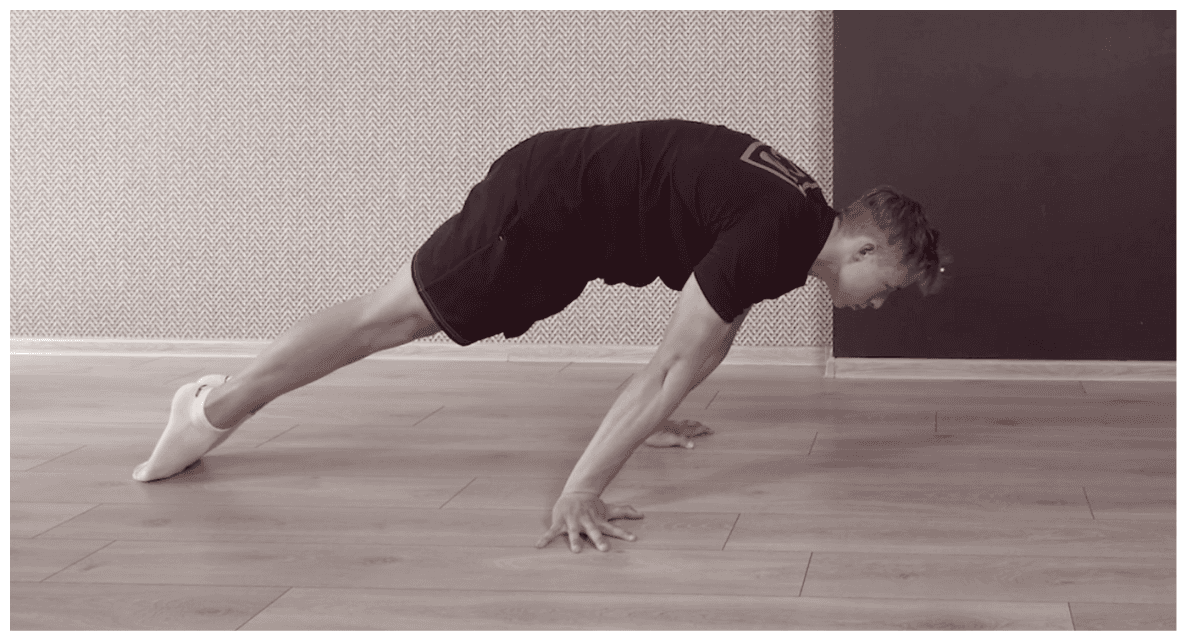
- Planche Lean - What it does well is train the planche with straight arms, in an isometric manner, and involves most of the muscles that the planche uses. However, it is not specific in terms of coordination - because we mechanically close the chain and create another point of contact. This reduces the need for balance, as well as the simultaneous use of the hip and spine extensors. It also doesn't train the exact angle because of the way the progression works. On top of that, the exercise is very difficult to measure and scale up, and we typically rely on our own perception of how hard it feels and how far we lean forward (which is hard to change even by adding external constraints like a box or wall). As mentioned, this particular point is NOT a deal breaker, but something to consider.
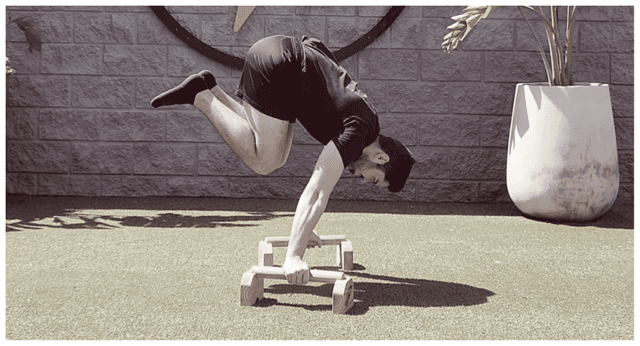
- Planche Press to Handstand - Glorified in the calisthenics niche at certain point in time, while it has a lot of coordination components overlapping with the actual planche hold, it increases the challenge beyond it, which is unnecessary. In addition, it is not based on isometric muscle action, but rather isotonic (concentric & eccentric), and it targets ranges of motion in the shoulder that are not faced in any of the progressions (because the more difficult the progression - the lower the angle of shoulder flexion during the hold, and in planche press we move toward 180 overhead angle held in handstand). It is more measurable than the previous exercise, but we can only count repetitions, which are very difficult (so it takes a lot to add one rep in the set) and inconsistent (reps will differ from each other).
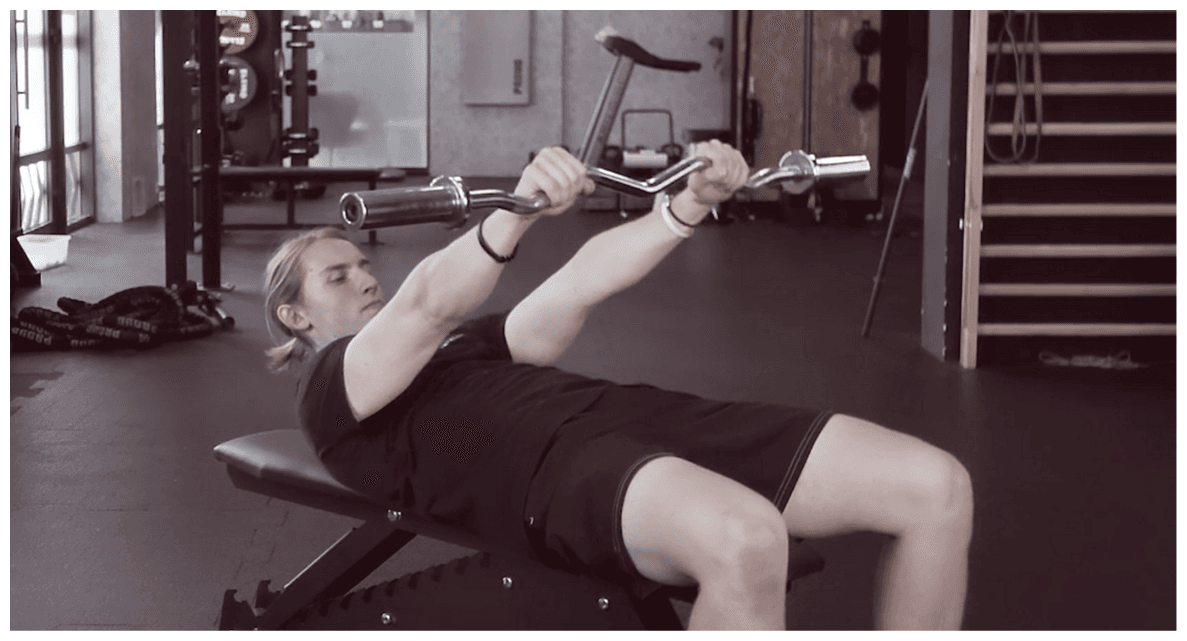
- Planche Imitation with a Barbell - This exercise is very specific when it comes to angle, as we can adjust it to whatever we need. It is also isometric, with all major and minor joints mimicking the planche position. The exercise is also very measurable, which is a feature of any weight exercise. There are two factors that make it less specific, and one of them, in my opinion, disqualifies its use for the main exercise category. The first is the fact that although we have the same angle, we are not working with our body weight. This greatly reduces the scapular protraction demand and alters the mechanics of the exercise. The second, more important factor is that it doesn't simulate planche coordination demands to any degree. Things like wrist position, balance aspect, hitting the line, entering the position are not present in this exercise, it just focuses on torque development in the shoulder - something more suitable for the supplementary section.
You may ask, so what would be an ideal planche exercise? Well, my answer might give you Dragon Ball vibes. Because the only exercise that could be considered as perfect is the planche performed in the gravity chamber, where we can precisely modulate the Earth's attraction to every single particle in our body and effectively control gravity. If something like that existed, then I would do all the main work for my clients, for any kind of ability. And we would finally start treating calisthenics as powerlifting where we can just load the bar.
So, on a serious note, unless you're reading this in the fourth millennium and some major breakthrough in physics happens so that we can simulate artificial gravity, and for some reason it becomes a widely accessible piece of technology to calisthenics athletes, we have to stick to some slightly less advanced methods. The exercises I will choose are:
- Planche Progression Hold
- Band Assisted Planche Hold
I think these exercises are very good options for the main exercise and should not be replaced by anything else. Planche Progressions provide full simulation of coordination demands and full scapular loading. Planche Band Assisted Hold doesn't have that (as it manipulates torque by decreasing the body weight, which also affects the scapulas), but compensates with exact angle, exact same demand on spine and hip extensors, and arguably more incremental, measurable progression.
Choose just one of these exercises and stick with it for the majority of your time.
Then supplement it with a supplementary exercise. Supplementary exercises are what we recommend as a tool to work on an athlete's individual weaknesses, while remaining specific to the exercise requirements. They are also sometimes used to add some sort of variety to our training. Here are a few examples, along with some recommendations.
- If your weakness is in the elbow - Barbell Straight Arm Presses
- If your weakness is in the scapula - Planche Lean Scapula Push-Ups
- If your weakness is in the shoulders - Planche Lean Push Ups
This means that you will end up with 1 main exercise and optionally 1-2 supplementary exercises. You can change these exercises periodically, but give each exercise at least 2-3 months before replacing it.
3. Make Your Progression System More Incremental
The Theory & Context
This is another point related to exercises, but not to the selection of them, but rather the system of measurement. One of the common problems with planche training is measurability. Calisthenics differs in its programming from, for example, powerlifting as the way we scale up the difficulty of exercises is not usually based on simple addition of kilograms. We have to manipulate leverage, sometimes coordination demand, range of motion or arbitrary assistance (self-assistance as in one-arm pull-ups, or partner assistance as in muscle-ups). And even if we find a way to objectify it, we still fall short on the incremental aspect of the progression system.
You see, you would never jump 30KG on your main sets of squats or deadlifts without any intermediate weight, just by adding reps. But that's exactly what happens when we go from Tuck Planche to Advanced Tuck Planche. And even the bands often only offer a few levels.
The problem with this is that planche is a difficult exercise where progress doesn't happen very fast. And sometimes we can't really judge progress on a micro level because the way we scale up exercises is too abrupt. Maybe we are actually progressing, but our increased capacity doesn’t manifest in performance increase from workout to workout or week to week.
Following a double progression system (increasing reps to a certain point and then increasing the weight) is often not enough because the difference between levels is so great that adding 6-10 seconds to one progression doesn't guarantee you'll be able to do the next one. And if we keep adding seconds, the characteristics of the workout become more endurance-based than strength-based. It's like trying to get to a one-arm chin-up by doing 30 reps of two-arm chin-ups, or trying to get to a 200 KG back squat by doing 30 reps of 100 KG back squats - probably not the best way to get there. And because of the nature of fatigue, which seems to develop more quickly with isometric contractions, this is likely to be even more problematic with planche.
So we need to find a way to scale up our most important, specific exercises more incrementally, so that we break the whole journey down into more levels.
Practical Application
I'm assuming that for the main planche exercise, you've chosen either planche progression holds or band assisted planche holds. This point applies to other exercises as well, but as I said, I recommend having these as the main exercises unless we go through a preparatory period of building specific planche resilience / work capacity.
For planche progression, what I would recommend is to break down the levels into more steps. While getting to tuck planche is not the most challenging endeavor, each next step becomes a struggle. But instead of jumping from tuck (hips flexed to 150 degrees) to advanced tuck (hips flexed to 90 degrees), we can add a few steps in between. Here are the progressions I recommend:
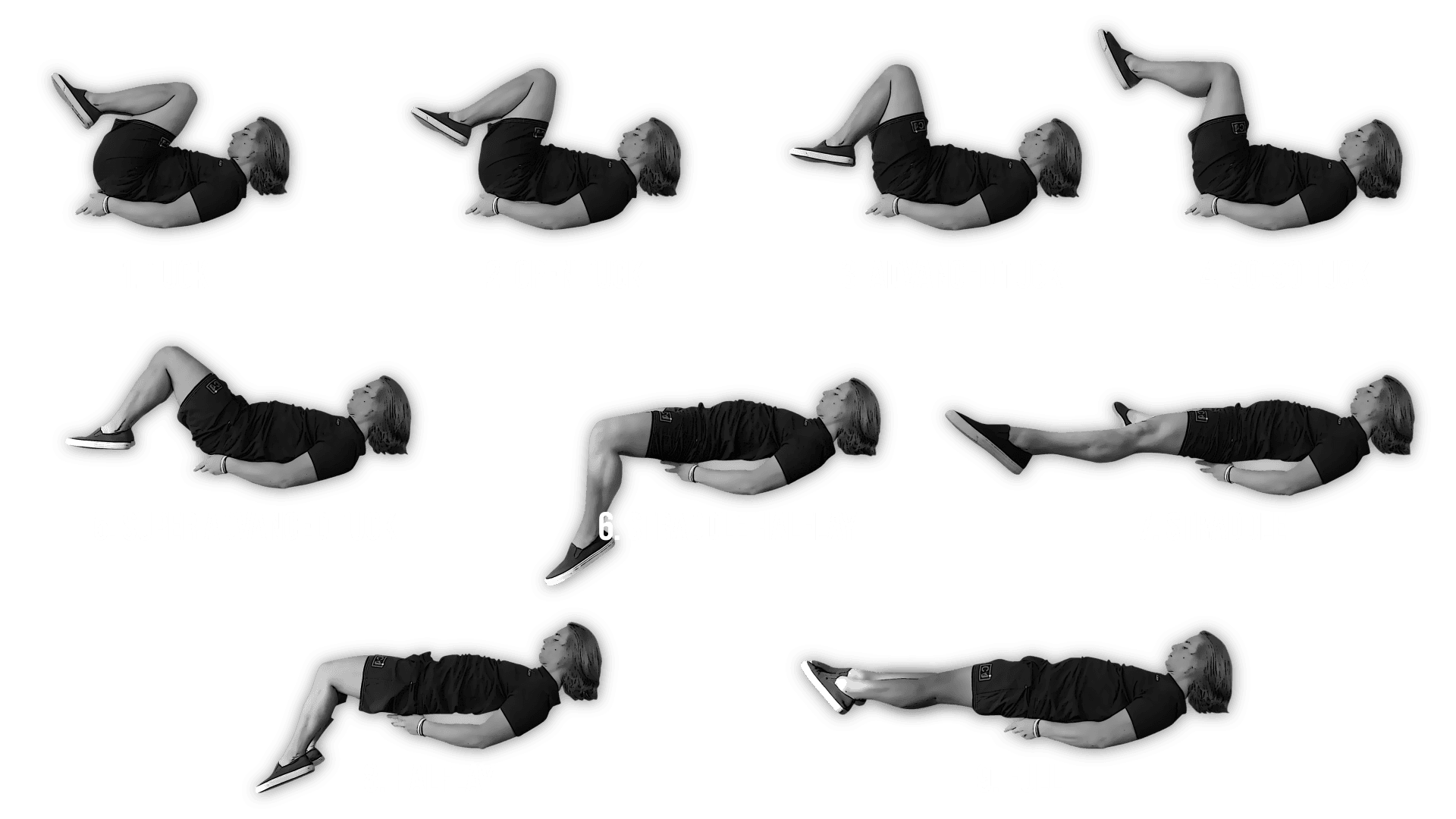
Remember, all we are trying to do in the planche progressions is increase the moment arm with which gravity acts on our bodies as we try to rotate the body segment around the shoulder joint. However, they will still be subject to some individualization. As you can see, I have not included a one-leg progression, while I have included it in the front lever.
The reason for this is that holding one leg in this position while the other is flexed at the hip requires some flexibility and coordination of the hip / pelvis. However, unlike the front lever, gravity doesn't help us get into this position, we actually have to work against it in addition to fighting internal forces (stretching our muscles actively). The result is that the outstretched leg typically falls and we can't hold the straight line (which also affects the moment arm).
Some people may find all the straddle progressions difficult to coordinate and may benefit from replacing them with one-leg progressions. So keep in mind that these levels are not set in stone. All I'm trying to encourage here is breaking up the full planche into more parts than the classic tuck, advanced tuck, straddle.
On the other hand, if you are using band assisted planche holds, the situation is a bit simpler. We also want to have at least 10 separate steps on the way to full planche. There are 3 ways to achieve this:
1. Get more bands and use them together
This is probably the easiest and most reliable way. Having many levels of tapes that we can mix and match to create new levels is probably the best thing we could do. We could create a system:
- Heavy + Medium
- Heavy + Light
- Heavy + Extra Light
- Heavy
- Medium + Light + Extra Light
- Medium + Light
- Medium + Extra Light
- Medium
- ...
It is worth having bands from the same set, bought at the same time and used only by ourselves, because they wear out over time and experience stress relaxation, leading to lower tension output. After a year of using a single band, that same band may actually provide significantly less assistance in comparison to when it was first used.
2. Add the height of the bands suspension to your system
Aside from the thickness of the bands, they also provide different resistance depending on how much they are stretched. The amount of stretch can be a great additional modulator of the support we provide. For example:
- Heavy (150cm)
- Heavy (140cm)
- Heavy (130cm)
- Medium (150cm)
- Medium (140cm)
- ...
This can be difficult to do in terms of practicality, but there are two ways to do it. Either change the height of the band suspension (the top) or the height of your support (the bottom). The first can be done by performing planche under a squat rack, where you can change the placement of the band by moving the hooks up and down. The second can be accomplished by performing planche on a step that can be adjusted.
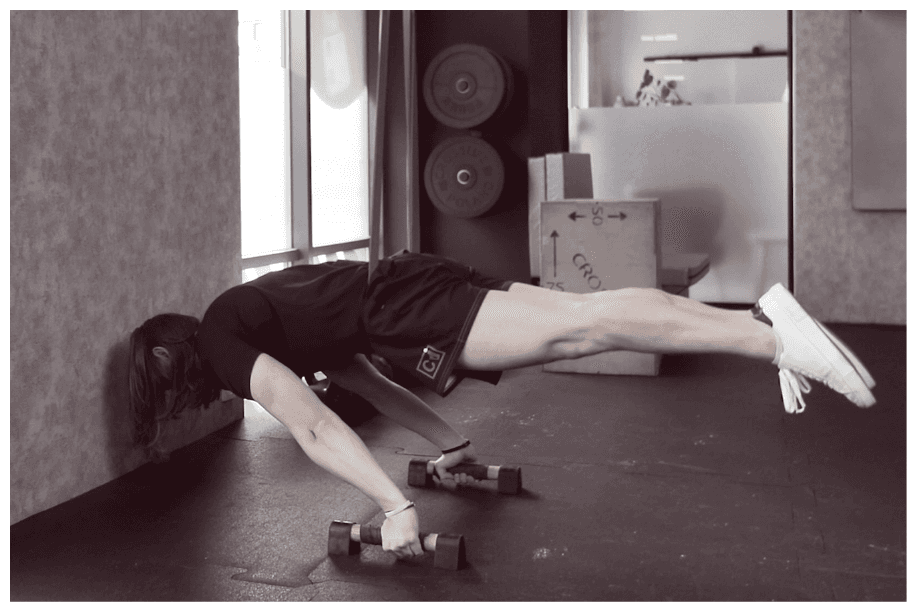
3. Add moment arm manipulation to your system
And if you don't have the above options available, the best thing you can do is simply combine the planche progressions with the band assisted planche hold. This combination in a system of scaling requirements might look like this:
- Heavy (Straddle)
- Heavy (Half Lay)
- Heavy (Full)
- Medium (Straddle)
- Medium (Halflay)
- ...
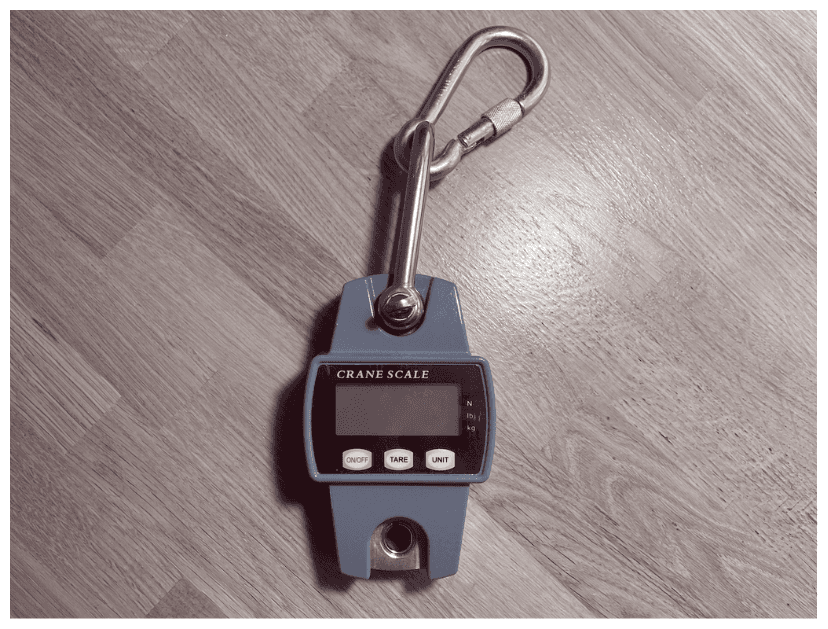
If you want to go a step further with all the strategies above and objectify the demands of each level, the best thing you can do is measure the support by using a crane scale. Find an object that is similar to the height of your belly in planche, and then pull the scale with a tape attached to it to the point where it matches the height of that object. Write down how many kilograms the band is pulling and that's your support.
4. Build More Muscle in Your Shoulder Flexors
The Theory & Context
Now we will move on to the point that is a bit more macro, but will have its short term programming implications. What calisthenics athletes often fall short on is muscle building. Yes, we want to build muscle, but why? Muscle building is one of the mechanisms of getting better in calisthenics. It will help us with planche by increasing our torque production in the shoulder joint. And why is that? There are two reasons that have to do with muscle physiology and muscle mechanics.
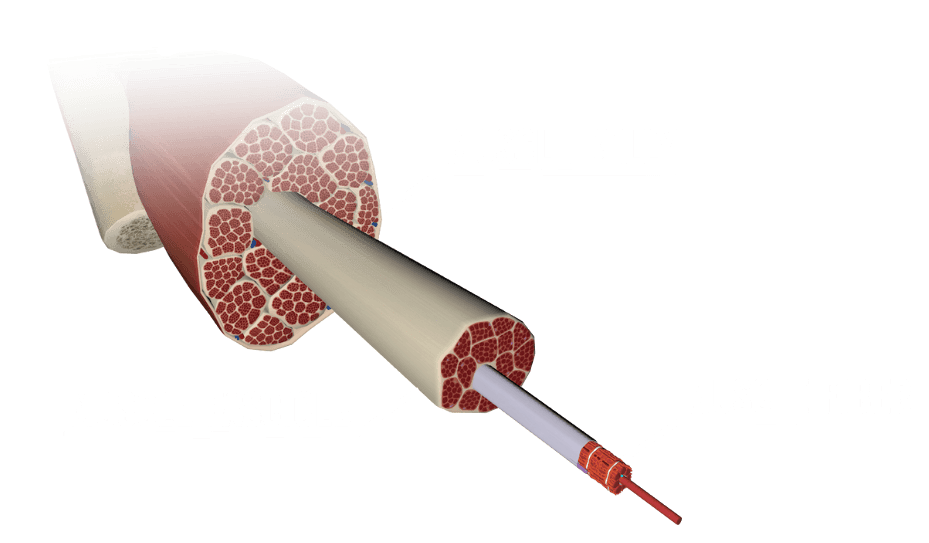
1. The bigger the muscle, (likely) the more contractile material it contains.
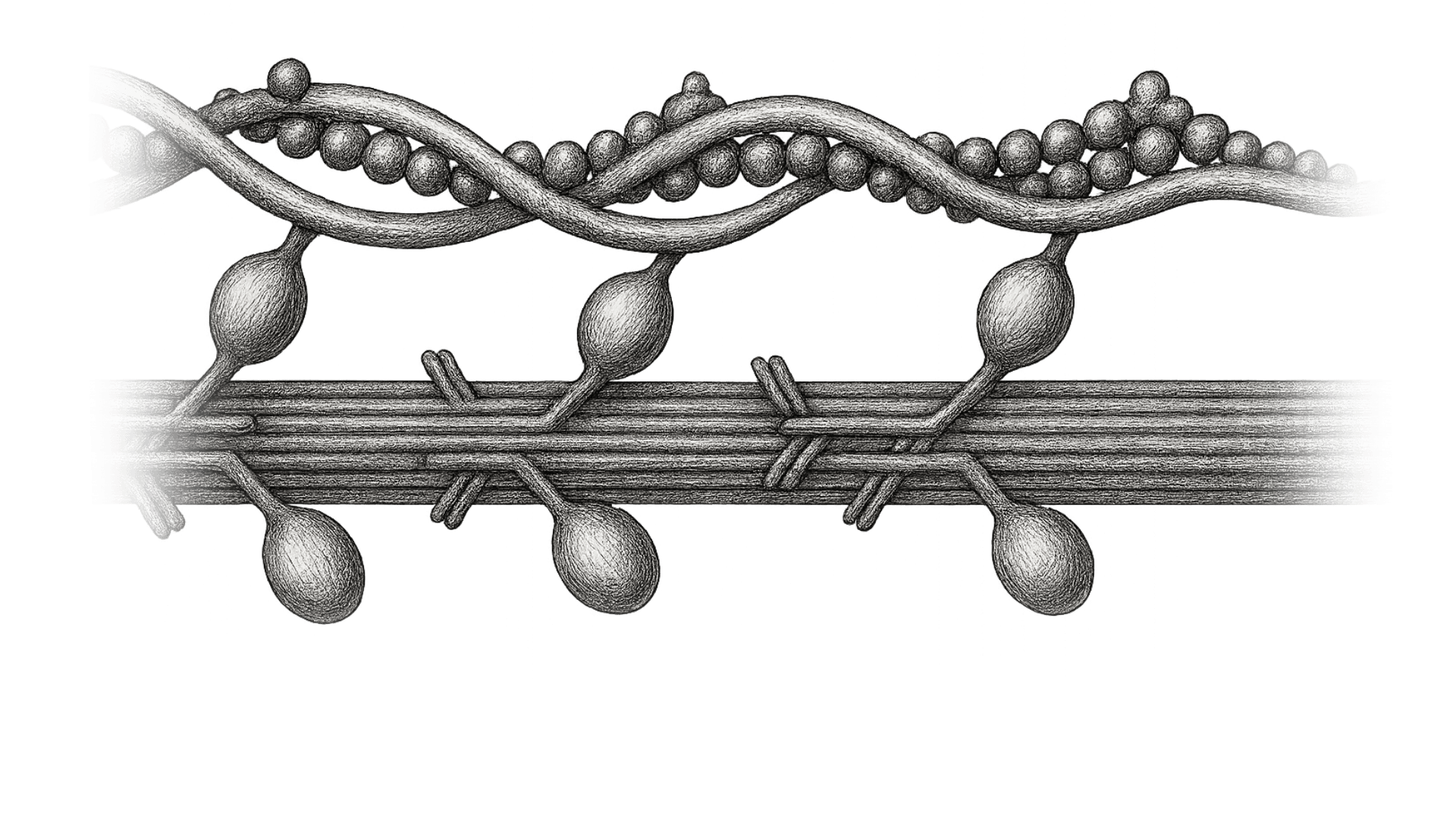
Muscles are made up of individual muscle fibers. You have probably heard of hypertrophy. Hypertrophy is the process of growing individual muscle fibers so that they increase in diameter (or length). Part of the increase in diameter is an increase in the number of myofibrils, which are even smaller "fibers" within the muscle fibers.
These are made up of sarcomeres, which you might have crossed in biology class. And the sarcomere, as a single contractile unit, contracts through the cross-bridge cycle process, according to the sliding filament theory. And so, plain and simple, hypertrophy will typically contribute to more sarcomeres and increase the force that the muscle is pulling on the bone. And force, as mentioned earlier, is the component of torque that we desperately need to produce to have a chance in planche.
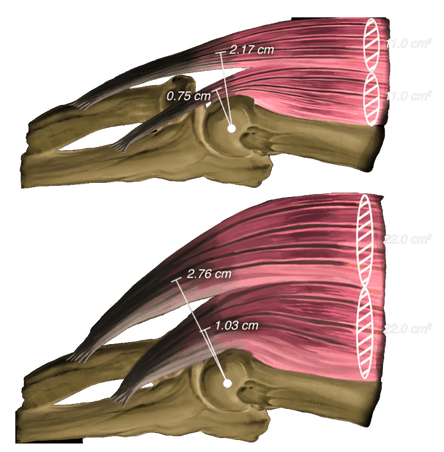
2. The larger the muscle, the larger its internal moment arm.
There is another very interesting phenomenon. As the muscle gets bigger, it also bulges away from the bone, making its line of pull more vertical, which effectively increases the moment arm of the muscle. And this is the second component of torque that increases as the muscle grows.
"But Bigger Muscles Will Make Me Heavier"
Now, this topic deserves an article on its own, but I wanted to address it very quickly. A large portion of the critique over building muscle in calisthenics, has to do with the fact that as we gain muscle, we gain weight, which alters the relative strength. Indeed, when we look at elite powerlifters, the highest relative values are in the lower weight categories (when we look at pound for pound strength expressed in BW% lifted).
However, this is a bit deceiving. In the context of an individual, we operate with a certain percentage of muscle in our bodies, and as we become more muscular, we typically increase that percentage. And since muscle is literally the only tissue that can produce force, I would venture to say that in the context of an individual, natural athlete, gaining muscle is almost always better from a relative strength standpoint.
But, to make this point even more relevant, we don't want to build just any muscle. We want to grow muscles that are strictly responsible for generating shoulder flexion torque in the 60-80 degree range, as well as some muscles responsible for shoulder stabilization and muscles responsible for elbow flexion at 0 degrees.
The Practical Application
As a general principle, we should include in our training some accessory exercises that stimulate hypertrophic adaptation and then program these exercises in the most effective way.
All exercises for this purpose should be stable, measurable and have a high load potential. Here is a comparison of two exercises in this context to give you an example:
- A "good hypertrophy exercise" will be the single leg press using a machine. It's stable, we're not moving because we're fixed to the machine. It is measurable, we can accurately count the kilograms / pounds. It has a high load potential because we do it with one leg and we will probably never max out the machine.
- A "bad hypertrophy exercise" will be the bosu one-leg squat. It is unstable, we will lose balance before reaching any real intensity. We can't measure it accurately because every rep is different. It doesn't have a high load potential because we can only take so much weight before the exercise becomes impractical and dangerous.
Once we have these basics down, we can select exercises for specific muscle groups. There is no simple checklist here. We need to assess the anatomical function of the muscle and then make it more specific by looking at the studies.
These studies include EMG data, internal moment arm data that can be interpreted in the context of neuromechanical matching (where the angle at which the muscle has the best leverage is the angle at which the muscle is most active), and training outcome studies that compare specific exercises and the hypertrophy achieved in each group. When you add the stretch mediated hypertrophy into the mix, this becomes one of the most complicated and most argued topics in sports science.
Luckily, the topic is quite simple until getting to a bit more advanced level, where that sophistication starts to matter. If you did not do specific hypertrophy work before, you don’t need to worry about it. For the purposes of this article, we will simplify the process.
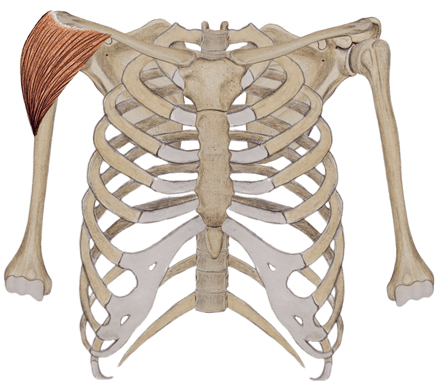
- Deltoids - Shoulder abduction with emphasis on 90 degrees of abduction, shoulder flexion with emphasis on 90-180 degrees of shoulder flexion
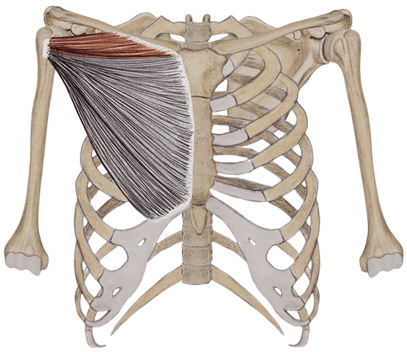
- Clavicular Pecs - Shoulder flexion with focus on 45-90 degrees of flexion, horizontal flexion
The exercise selection could look like this:
1. Incline Barbell Close Grip Bench Press (Smith Machine might be even better)
2. Dumbbell Lateral Raise (Single Arm Leaned Away)
3. Pec Deck Fly (With a Large ROM for Stretch)
Of course, any of these can be substituted, but if you have the equipment, I would suggest these particular options.
The way to incorporate them into your program is as follows:
- 2 times a week
- At the end of the session
- Start with 1 and build up to 3 sets per exercise over weeks and months.
- Do 8-12 reps with 2 (at first) to 0 reps in reserve (after weeks / months)
- Lift up as fast as possible and lower down in a controlled manner
- Rest 3 minutes between sets
- Write down exact weight and sets each time
- Follow fixed or autoregulative Double-Progression method
5. Train Less Frequently
The Theory & Context
We move on to the point that has to do with the weekly program design, specifically - training frequency. High-frequency training gained a lot of traction in calisthenics. It was probably Pavel Tsatsouline's "Greasing the Groove" that inspired this approach. I myself tried this method in 2017 to increase my pull-up number.
The idea was that instead of training hard less often, you take a completely opposite approach by training every day, multiple times a day, but being gentle with the intensity of each set. Greasing the Groove was not the only method based on high frequency training. The Bulgarian method, adopted from Ivan Abadijev's coaching of the Bulgarian national weightlifting team with huge successes in the 1970s and 80s, also assumes daily training and approaching "training max" every day.
There is nothing wrong with these methods, especially if a dose of autoregulation is used to manage the workload. Their rationale is that strength is a skill - and its increase is based on frequent practice, which facilitates neural adaptations.
While I think these methods can work, I don't think they have much utility in something like planche.
The training process could be described by the fitness-fatigue model. I like this model more than other models used to explain training, such as the GAS or SRA curve. The reason is that this model separates the aspect of performance from adaptations. When we train, what we are really trying to do is create a stimulus for certain adaptations to happen. And we want those adaptations because, collectively, they get us closer to a certain goal that we have. If the goal is strength, there are many morphological and neural adaptations that make us more capable.
One of them - hypertrophy or muscle growth - was mentioned as one of the points in this article. But the stimulus for adaptations is not the only thing we create during sessions - we also develop fatigue. And that fatigue is the reason we feel weaker the next day. In research, fatigue is often referred to as an objective, transient decrease in performance after exercise. And just like fitness, there are different mechanisms of fatigue, some related to the nervous system and some related to the muscle itself. But just as the type of training we do influences the adaptations, it also influences the amount of fatigue we experience from training. Different calisthenics exercises have different “fatigability scores”.
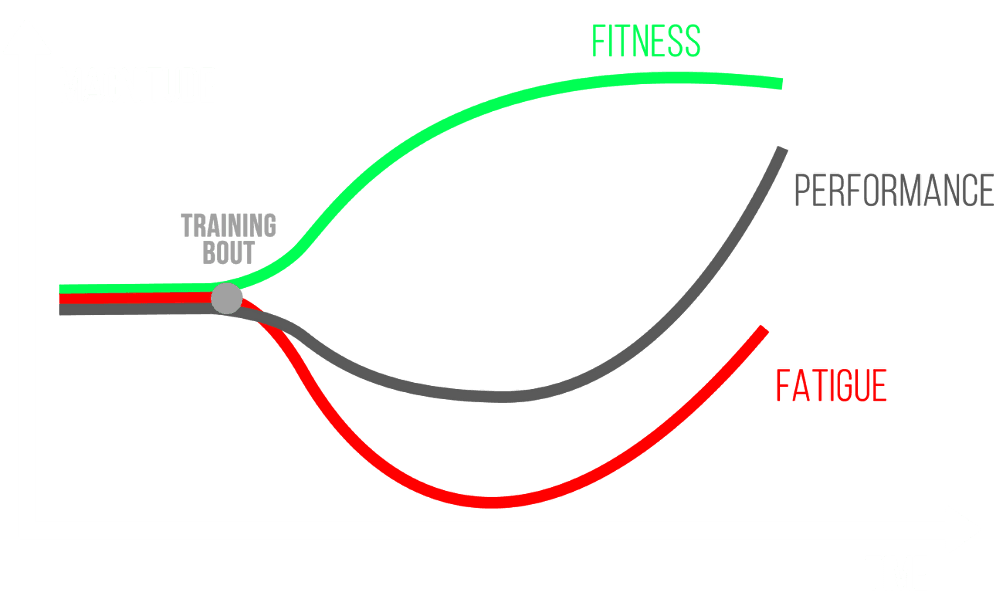
And unfortunately, planche seems to be quite a fatiguing exercise compared to the exercises that are often used in greasing the groove or Bulgarian method (pull-ups, barbell squats, handstands). Not only that, but the real consequences of not having an adequate rest between workouts are higher and less possible to push through than in other exercises.
What makes planche such an exercise? Several factors:
- A high level of neuromuscular coordination is required - after all, we are balancing on our hands and have to coordinate the work of several muscle groups.
- Holding isometric - holding isometric as opposed to yielding isometric has some characteristics of eccentric muscle action, which is generally more fatiguing.
- Straight arm push - straight arm push engages the biceps much more, both because of the greater activation of shoulder flexion, but also because of the simultaneous elbow flexion needed to stabilize the elbow joint when it is locked (so that the passive structures don't get all the hits). In addition, the biceps is in a lengthened position when the elbow is straight in planche and this also makes it more fatiguing.
- Wrist Compression - Planche puts a lot of stress on the hands because no matter what we are typically working with most of the body weight and also leaning forward puts a lot of pressure on the dorsal or lateral side of the wrist.
This combination of factors makes planche more fatiguing, requiring more rest between training days. There is no direct research in this area, but by putting together different pieces of training fatigue data, we can see that it actually makes a lot of sense.
So, in an ideal world, we would repeat training exactly when the adaptations peak. For morphological adaptations, this may take a while because muscle protein synthesis is a process that takes time. Neurological adaptations are probably much faster, and we are probably "better" at them the next day after a night's sleep. The point is, we would probably train every other day, or even every day, if we cared only about the "fitness" component of the model. But the second part - fatigue - increases that time and becomes the real bottleneck when it comes to frequency of training.
We can make training less fatiguing through various things, and this is why in bodybuilding there is a whole idea of "stimulus to fatigue ratio". The problem is that since our goal in calisthenics (and planche training to be exact) is very specific, we must maintain that specificity in exchange for more recovery needed from workout to workout (as fatigue must dissipate before we repeat the next workout - in order to make this workout effective). So we don't have much room for manipulation.
I think a large portion of the plateaus are caused by training too much and too often. Not realizing that recovery between sessions is a necessary part of the process, and that planche training in a fatigued state is not only unproductive, but actually counterproductive.
Practical Application
In my opinion, it's best for most people to train planche 2 times a week, or more precisely every 4th day if it's possible.
Now, please don't take this as a definitive statement. While this is a general trend, training frequency is an individual thing because we still differ in how tired we are and how fast we recover. And due to a phenomenon known as the repeated-bout effect, we can actually increase our tolerance to a certain type of training.
The extent to which this phenomenon can actually change frequency is a topic for another time. But the point is that it is not possible to derive this information from how we feel alone. Delayed onset muscle soreness (DOMS) is not a highly valid measure of fatigue (how sore you are doesn't determine how fatigued you are). Probably every athlete, at some point experienced a session where they approached fatigued and still performed really well, and vice versa.
We could play around with some recovery indicators, but that is a topic for another discussion. So the only way we can really test it is this: If we have the volume set for a session, let's say 6 sets of specific hard sets, start with a certain number of training sessions per week (for example, training every 5th day) and then after a few weeks see if changing it to 4 still allows us to make continuous gains, and we can even try to reduce it to training every 3rd day. If we see good performance and don't have regular "bad days", it means the frequency is likely right for us.
I am also not completely against the idea of training very often and adjusting training volume and intensity to recover. However, the problem with this is that it's a very short-lived approach, because while we may be building strength, sooner or later we'll need some morphological adaptations to support the strength gains, and this won't be achieved in such a way as to stimulate muscle growth, we'll need more volume and we'll need to get closer to failure.
6. Lose Weight
The Theory & Context
It is time for the last, most macro long term point. If you have watched any advanced calisthenics video, you will notice one common thing. Every athlete that performs at a high level in calisthenics is very lean. These are not typically "bulky" guys, but rather muscular yet slim looking people with high definition in their appearance. It is not rocket science to figure out why this is.
Since we know that a large part of planche success is predicated on how much torque we have to oppose, we need to make sure that we don't lift any extra weight that we may not need. Losing weight is going to have a very big impact on torque reduction, especially if we have a lot of adipose tissue in the hip and leg area. And for us non-outliers, I think we really can't afford to carry too much excess fat if our goal is planche.
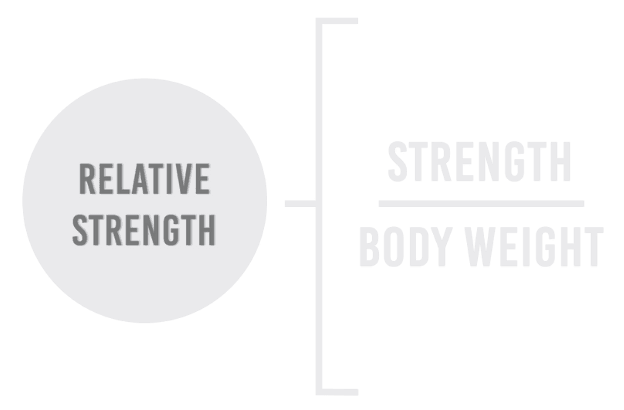
Look at it this way: Every training session we fight for every kilogram or newton of "strength". But simply losing 5kg of body weight can get us closer to planche than months of hard work.
"But This Is Not Progress!"
Many people say that this is not "progress" because you don't really gain strength in objective terms. I respectfully disagree, I think this is a confusion. Strength is not an easily defined metric, and sometimes relative strength is what we are after. Technically, learning how to efficiently depress the shoulders in planche, also doesn’t make us “stronger” because we make the hold more mechanically efficient.
Same as for being able to lift more weight on the deadlift by learning how to keep the barbell close to our body. If our goal is planche, then any action that gets us closer to that goal is considered "progress inducing" in my opinion. And for more advanced calisthenics skills, it's a low-hanging fruit that we would be silly not to benefit from.
Practical Application
Now, when I talk about losing weight, I mostly mean fat. I would not advocate going so far as to atrophy your legs, even though it is technically possible. The weight lost from the lower body will certainly have the highest leverage in the planche journey, and this will manifest more and more as we move on with the progressions (in the tuck it won't matter as much as in your straddle). But unfortunately, we can't lose fat preferentially, so this is mostly a matter of our genetics. What we can do is simply go through a period of weight loss that focuses on maintaining as much muscle as possible.
Since nutrition is not my area of expertise, I am not going to give you any more advice on this topic in this article, but you can find tons of material on this topic online. The number one person I would recommend for this is Dr. Eric Helms, who I had the pleasure of interviewing a while back (which will be published soon as part of a larger project). However, I can already share some of the actionable steps from that interview:
- Start more aggressively and then slow down your weight loss pace as you go (Depending on how much weight you have to lose).
- Don't cut to a point that is very hard to maintain (in scientific terms, don't go below the lower intervention point).
- Focus on adequate protein intake (while maintaining caloric deficit)
- Be open to taking diet breaks (not breaking the diet, but taking a break from the diet) and, if necessary, apply more autoregulation to your training.
And remember, weight loss is a good practice for those who can benefit from it. You may very well be on the opposite side of the coin and need to focus more on what we talked about in the point about building muscle.
The Next Steps - Learn Planche Programming
If you've been struggling with your planche journey, I truly believe you'll find something in this article that will help you break through the stagnation. Remember to choose the strategies that you feel are most applicable to you, and then give them time!
If you want to take your understanding of this skill to the next level, from anatomy, physiology and biomechanics to learning how to program your training using the most applicable science and best practices, we invite you to sign up for our Planche Programming Course. It's a 5 lesson course teaching everything you need to know about planche training. Along with the course, you will also receive a ready to use training program that you can use and modify based on the principles discussed in the video lessons.
And if you need personal help with your training, consider our online coaching services.
Learn Planche PROgramming
A 5-lesson course on learning planche with a
ready to use program