Calisthenics Tools
Every interactive tool from our articles, gathered in one place.
1 Rep Max Calculator
Estimate your one rep max for weighted calisthenics and streetlifting exercises.
1RM Calculator
Streetlifting
Result:
Weight Exercise
Result:
Used in the articles
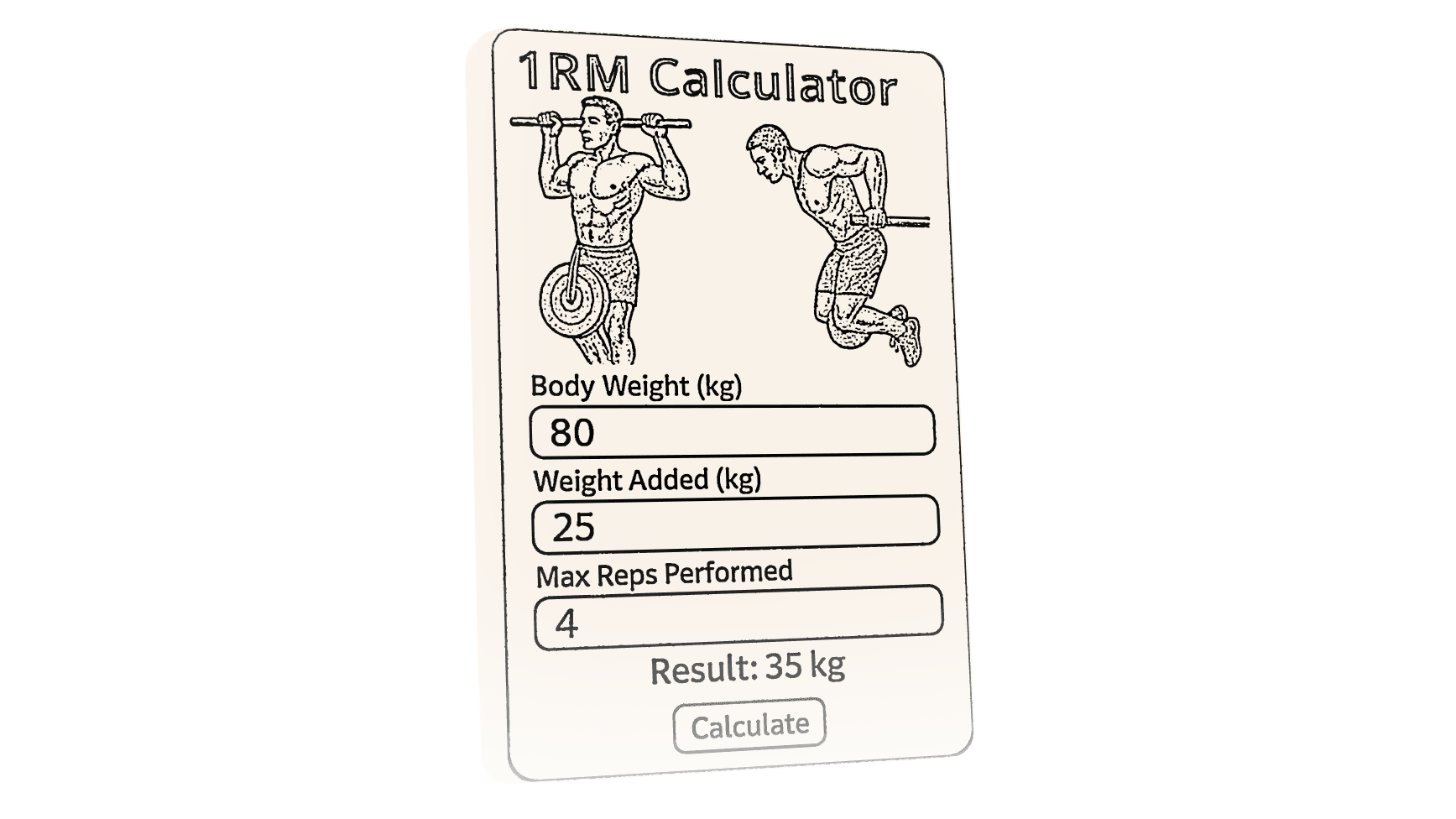
1 Rep Max Calculator - Weighted Calisthenics
This tool helps you estimate your one-rep max (1RM) for both weighted calisthenics exercises (like pull-ups and dips) and traditional weight training. By entering the number of reps, weight used, and reps in reserve, the calculator applies the Brzycki formula to give you an accurate 1RM estimate. Use it to guide your training loads, track progress, or build percentage-based programs.
4 min read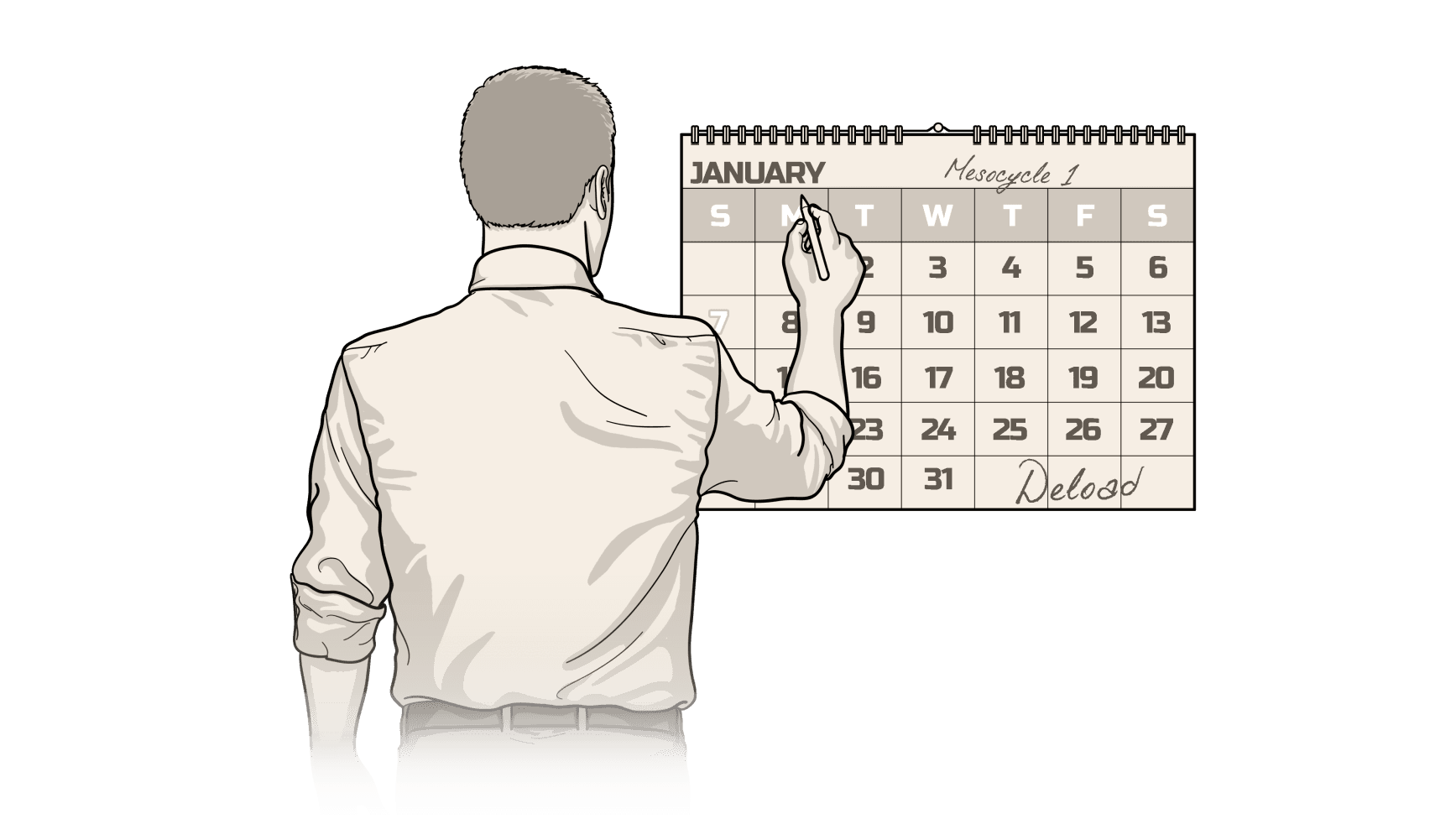
7 Steps to Building a Science-Based Calisthenics Program
If you want to build your own calisthenics training program but feel overwhelmed by all the choices and don’t know where to start, it likely means you’re missing a structured process to guide you. This article is a comprehensive 7-step guide to designing a program for the planche, front lever, or any other skill - based on years of coaching experience and a deep review of the literature.
80 min read
Exercise Hierarchy Tree
An interactive breakdown of how main, supplementary and accessory exercises relate to each other for a given goal, with video demonstrations of every exercise in the tree.
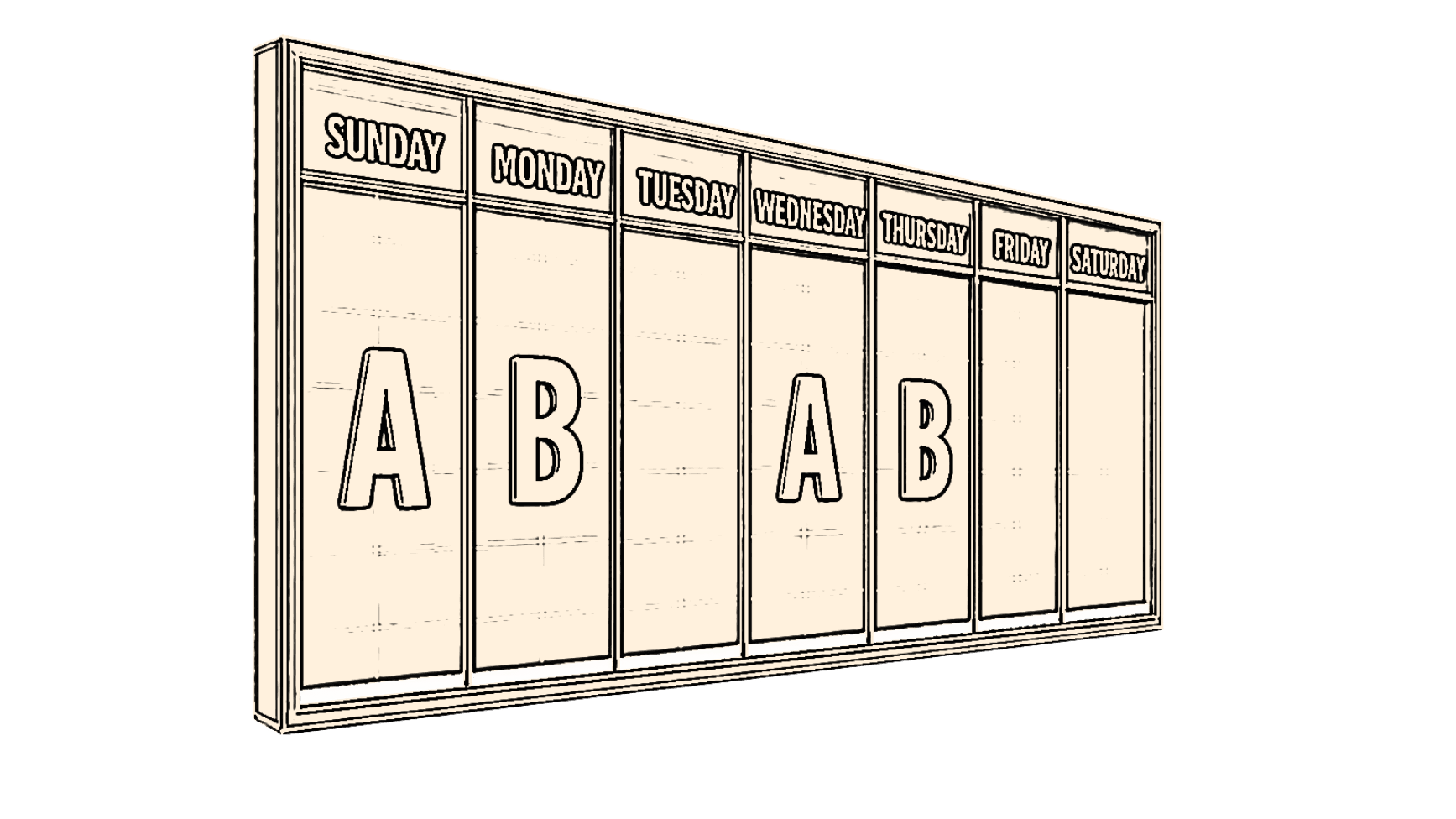
Pick a goal. Each small box is one training day of that week. Tap any exercise with a next to it to watch it. Click any supplementary or accessory exercise to see which days it covers. The main skill is trained in every training.
Leverage & Skill Difficulty
Calisthenics difficulty is leverage. Enter your height and bodyweight to see the actual shoulder torque behind every planche, front lever and back lever progression - calculated for your proportions, not an average body.
Your measurements
Leg length is the floor to the bony bump on the outside of your hip - the greater trochanter, roughly where your leg swings from - measured standing. Not your waist. Leave it blank to use standard proportions.
Advanced tuck planche
78%
of full Planche
245
N·m at the shoulder
35 cm
moment arm
78%
of full Planche
245
N·m at the shoulder
35 cm
moment arm
- shoulder
- where your weight acts
- moment arm
Progression
Fine-tune the position▼
The 72.0 kg of you beyond the shoulder behaves like a single weight hanging 35 cm out from the joint. Your shoulder flexors - anterior deltoid and clavicular pec - plus the scapular protractors and depressors have to produce that torque for every second of the hold.
Every progression, for your body
- Tuck62% · 194 N·m
- Advanced tuck78% · 245 N·m
- One leg out81% · 255 N·m
- Straddle85% · 267 N·m
- Half lay92% · 289 N·m
- Full100% · 315 N·m
What this does and does not tell you▼
This is the external torque gravity applies at the shoulder, built from your own dimensions and standard segment mass and centre-of-mass data (Winter, 2009). It is the load your shoulder has to resist - it is not a measure of how hard the position will feel. Internal muscular demand also depends on how your muscles' own moment arms change through the position, and it says nothing about wrist, elbow or connective tissue tolerance.
Because the external torque comes from posture alone, a planche, front lever and back lever held in the same shape put the same torque on the shoulder. What differs is which muscles resist it, and for the planche, the balance demand on top. Perceived difficulty does not scale linearly with these numbers: a position at 85% of full is not 85% as hard.
Used in the articles
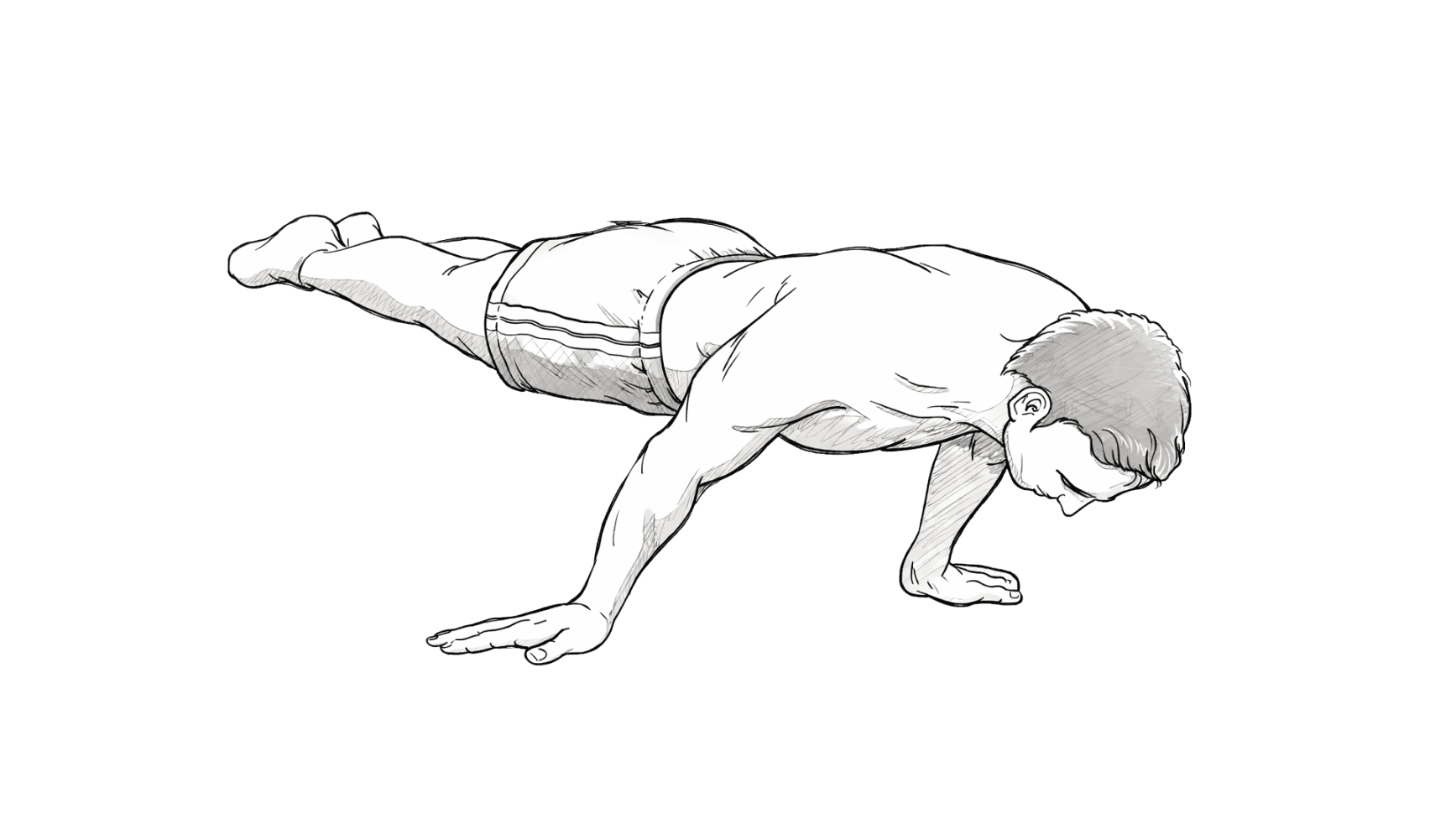
Planche Plateau? - 6 Scientific Ways to Unlock Progress
If you’ve been struggling with your planche progress and can’t seem to break through plateaus, there are six key strategies that could help you overcome the stagnation. This article explores each of them in depth, with practical examples of how to apply them to your training.
45 min read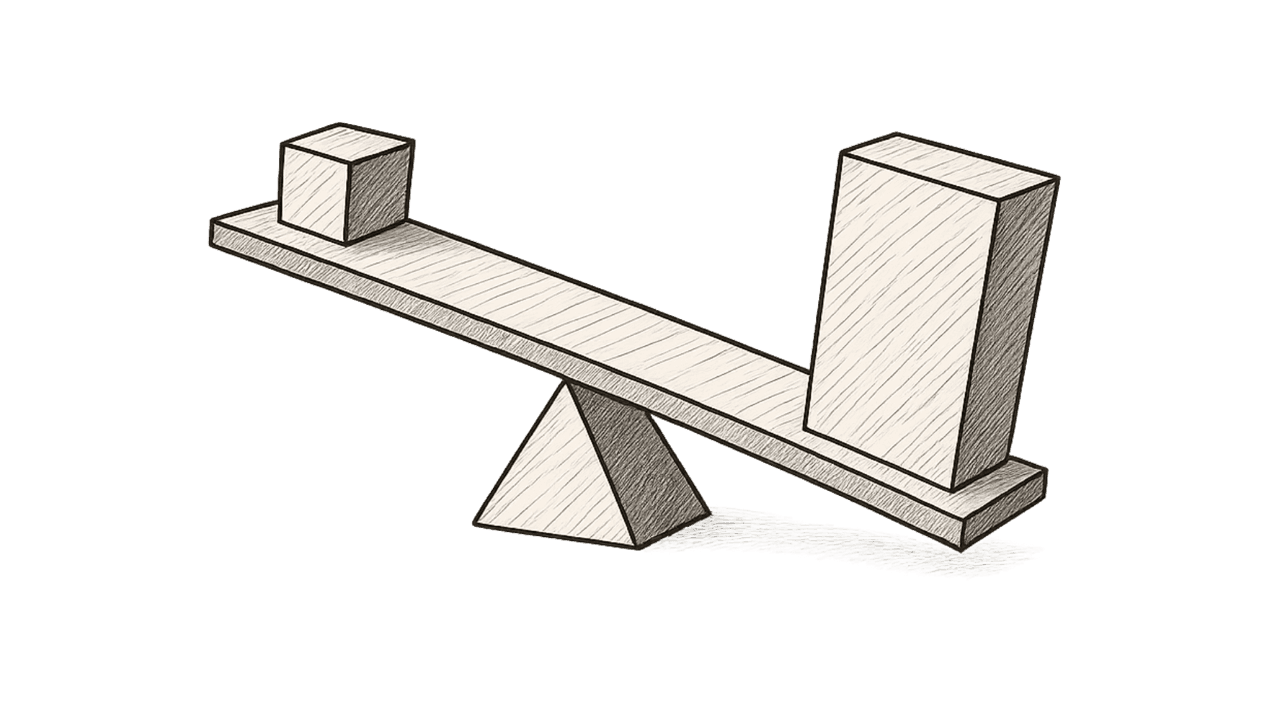
Forces & Torques - Statics
This article introduces the fundamental concepts of force and torque, which are essential for understanding how movement occurs in the body. By focusing on static conditions—where no motion or acceleration takes place—we can analyze how forces interact and create rotational effects at the joints. These principles form the foundation for evaluating exercises and understanding the mechanical demands placed on the body during calisthenics.
5 min read
Metronome
A ticking clock for your sets. Set how long the set should last, add a head-start so you can get into position, the ticking sound will count the seconds for you. Each ticking sound is one second.
Metronome
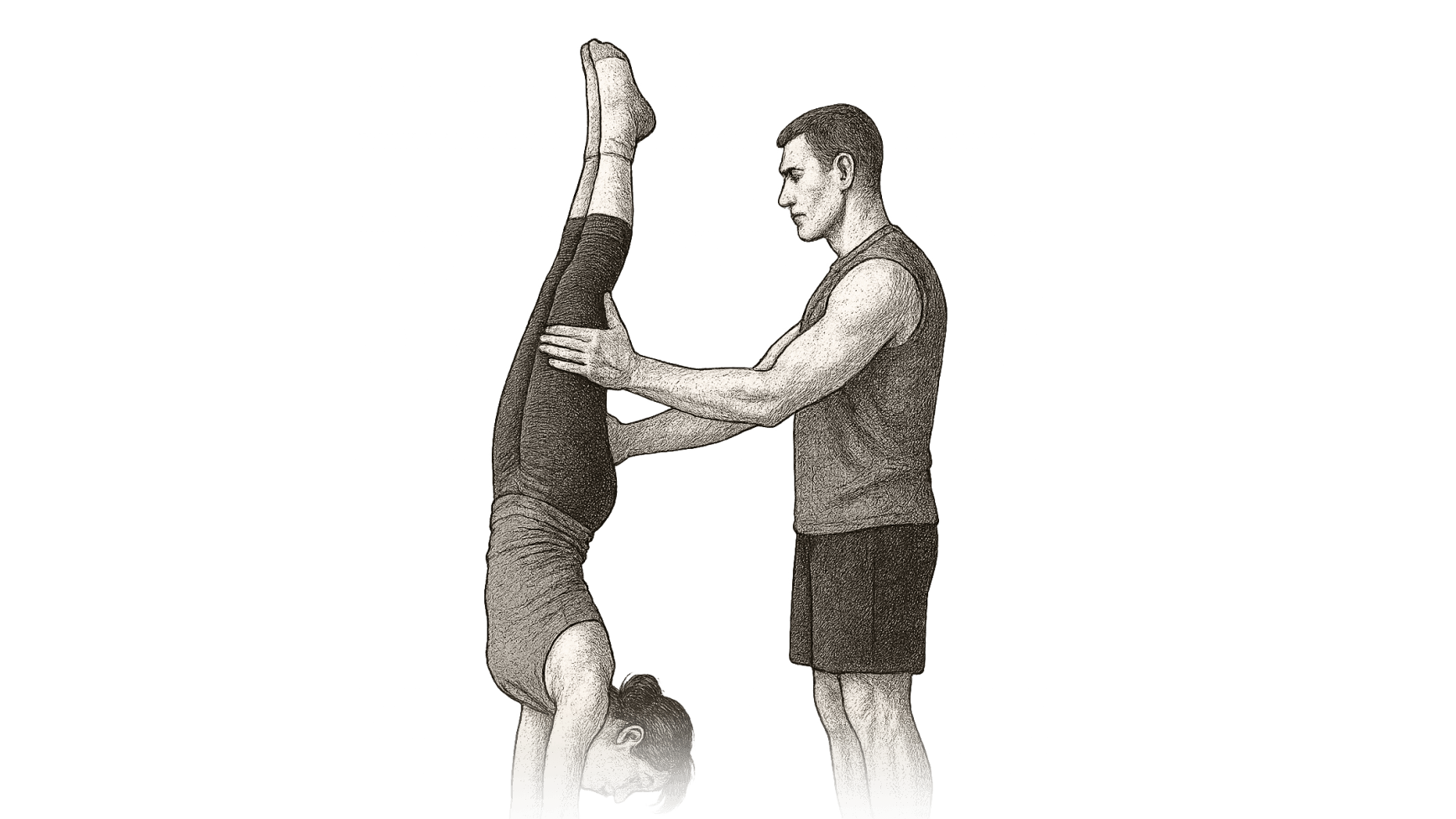
Morning or Evening Person?
The scientifically validated Morningness-Eveningness questionnaire. Determine your chronotype so you can match your sleeping and training schedule to your circadian rhythm.
Morningness-Eveningness
Questionnaire
This self-assessment consists of 19 questions and will help you determine your chronotype — whether you are more of a morning or evening person.
Based on the validated questionnaire by Horne & Östberg (1976)
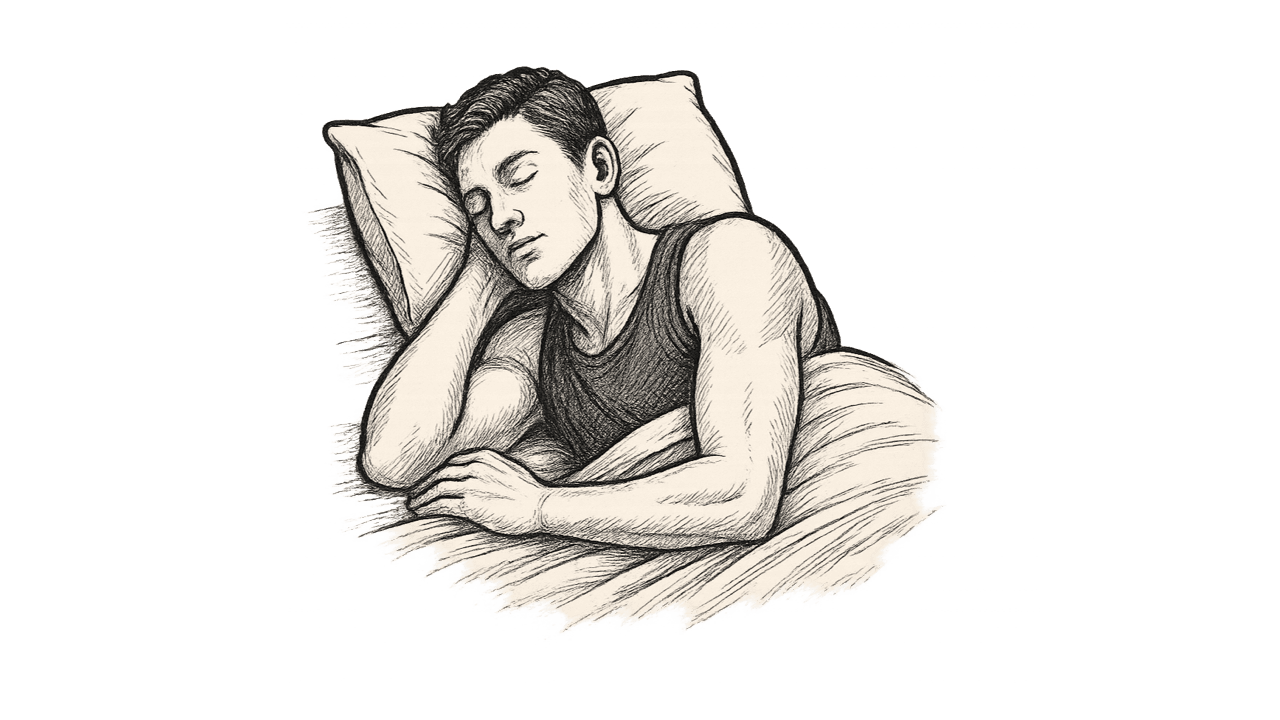
Deload Test
Answer a few questions about your recent sessions, aches and life stress to find out whether you should deload, pivot, taper or simply keep training as planned.
Did you experience a drop in performance over the last 2–3 consecutive sessions?
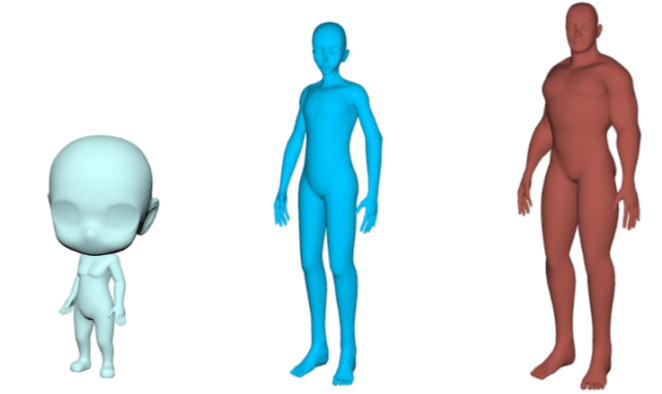
Training Stage Test
Three questions that place you in the beginner, novice or post-novice stage of athlete development, so you know which programming approach applies to you.
What is My Stage of Development?
Used in the articles
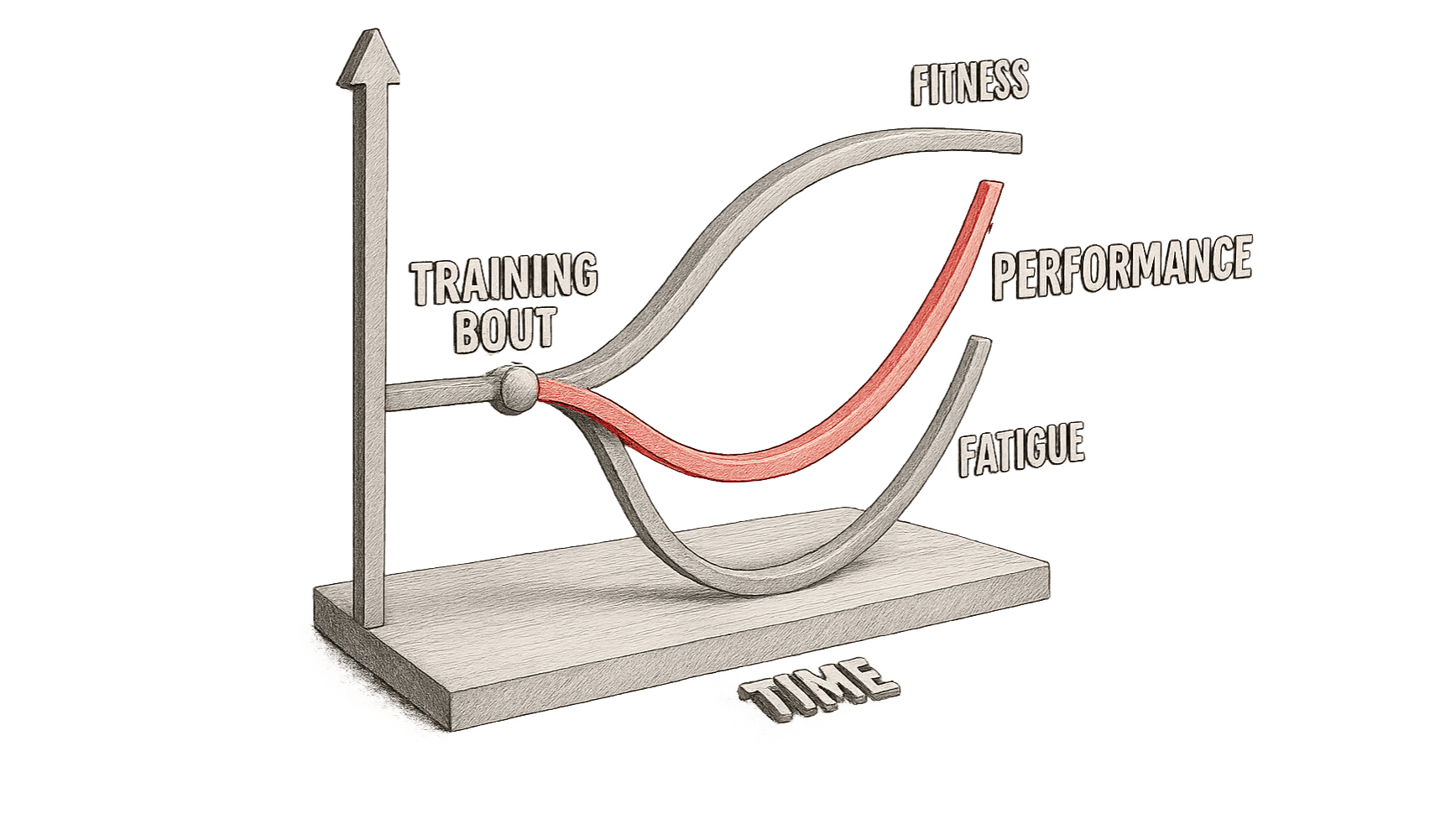
Stages of Calisthenics Athlete Development
Progress in calisthenics follows a clear developmental journey that all athletes experience, though at different rates. Understanding whether you’re in the novice or post-novice phase can help you make smarter training decisions—tailoring your methods, expectations, and recovery strategies accordingly. This article explains how to recognize each phase, why it matters, and how it impacts everything from exercise selection to long-term progress.
12 min read7 Steps to Building a Science-Based Calisthenics Program
If you want to build your own calisthenics training program but feel overwhelmed by all the choices and don’t know where to start, it likely means you’re missing a structured process to guide you. This article is a comprehensive 7-step guide to designing a program for the planche, front lever, or any other skill - based on years of coaching experience and a deep review of the literature.
80 min read